
MANTA
SCUBA DIVE & SNORKEL CANCUN


Cenote Cavern Diving from Cancun with Manta Divers
Cenote cavern diving near Cancun adds crystal clear freshwater and sunbeams to your Caribbean week. Manta Divers runs guided cavern tours for certified Open Water divers with recent experience and solid buoyancy, staying in the daylight zone on continuous guidelines.
We handle van transfers, gear fitting, and primary lights, with 3 mm suits and hooded vests for comfort. Cavern days fit neatly between reef and Cozumel dives, giving you a calm, overhead experience with clear safety rules and coaching.
Below, you will find more commonly asked questions about Cenote Cavern Diving from Cancun with Manta Divers
- What experience level is required for a cenote cavern tour near Cancun?
- What is the difference between cavern rules and full cave diving limits?
- Which gear is included for cenote caverns and do I need a primary light?
- What time is check in for cenotes and how long is the drive from Cancun?
- How do you select which cenote park to dive on the day of the trip?
- What buoyancy tips help protect formations in crystal clear cavern water?
- Are private cavern guides available for small groups or photographers?
- What is the typical water temperature and exposure suit for cenotes?
- What should I pack for a cenote day including snacks and a dry layer?
- How are gas planning and turn points managed in cavern zones?
- What are the safety briefings for lines, lights, and team spacing?
- Do you offer photo or video in cenote caverns or should I bring my own?
- Are there medical considerations specific to caverns or overheads?
- How do I book a cenote day and get confirmation and liability forms?
- Can cenotes be added to a multi day package with reef and Cozumel?
What experience level is required for a cenote cavern tour near Cancun?
Certified Open Water divers with recent dives and solid buoyancy are welcome on guided cavern tours. Comfort in clear freshwater and calm finning are more important than deep credentials. If it has been a while, add a quick tune up on the reef first.

Who cenote caverns are really designed for
You do not need to be an expert, but you do need to be a comfortable, current certified diver rather than someone on their very first open water dive. What matters most in a cavern is calm: steady buoyancy, easy equalizing, and relaxed problem solving, so the ceiling feels like an adventure instead of a nerve test.
If it has been a while since your last dive, a quick tune up on the reef is the smart move, a chance to remember how good weightlessness feels before you add an overhead. An easy option is the 2 tank reef dive at 60 feet the day before your caverns.
Think of these tours as the natural next step once you already enjoy ordinary cenote scuba diving style open water dives, not as the place to relearn mask clearing or a fin pivot for the first time.
Prefer to stay at the surface? Explore our Cancun snorkeling tours.
A comfortable step up for divers who already love being underwater
Caverns suit divers who already feel at home underwater and want something different, not divers still wrestling with the basics. We look for Open Water certification or higher, reasonably recent experience, and the ability to run through simple skills without constant coaching. You do not have to be an expert, but you should feel settled in normal reef conditions.
If your last dive was more than a year ago, or the memory of it is more stress than joy, we usually suggest a refresher and an easy ocean day first, which rebuilds confidence with a clear path to the surface and wide open water before a ceiling ever enters the picture.
Once buoyancy, mask clearing, and basic signals feel natural again, cenotes tend to flip from intimidating to unforgettable very fast.
When you book we will ask about your recent history, how many dives you have, where they were, and how they felt, because ten relaxed recent dives often prepare you for best cenotes in cancun style tours better than a dusty logbook full of deep dives from a decade ago.
Honest answers let us match the right day and route to you.
Traveling as a mixed group is no problem, we simply plan around it. Stronger, current divers might add a cavern while newer buddies enjoy shallow reef fun, or the whole group can build skills together first through courses on pages like Manta Divers Open Water and PADI Advanced Open Water.
Either way, the aim is for your first cenote to feel like a natural next chapter in your diving rather than a leap into the unknown.
Behind the rules: what keeps a cavern recreational
Cavern diving guidelines keep the team inside the daylight zone and within set depth and distance-to-exit limits, which is exactly what lets a comfortable Open Water diver join a guided cavern, while going beyond daylight requires full cave training. Source: PADI.
Cenotes are one reason this coast stands out within Mexico. We compare the Caribbean and Pacific sides in our guide to the best scuba diving in Mexico.
What is the difference between cavern rules and full cave diving limits?
Cavern tours remain in the daylight zone with a visible exit, continuous guideline, and conservative gas rules. Cave diving extends beyond daylight and requires specialized training and equipment. On our tours you will not pass into full cave zones.

Cavern tours, not epic expedition cave dives
Caverns and full cave diving share the same rock and water but live under very different rules. Our tours stay in the daylight zone close to open water, with a simple guideline, standard scuba gear, and conservative procedures built for everyday certified divers.
Technical cave routes push far past daylight into complex systems that demand specialised training, extra cylinders, redundant gear, and gas planning that takes years to master.
If you picture our trips as relaxed cenote diving cancun location experiences for curious recreational divers, rather than expeditions chasing distance or records, you have the right idea, and that difference is exactly what keeps a cavern tour calm and welcoming.
Where we draw the line between tour and technical
The simplest way to picture the difference is distance from the exit and complexity of the route. On a cavern tour you stay in the daylight zone, where some glow of the entrance is always behind you.
The line is simple, usually one main guideline with very few junctions, and the turn point stays close enough that a calm swim brings you back to open water with a comfortable gas reserve.
Full cave diving is another world entirely, where divers follow intricate line networks, carry multiple cylinders, and rely on redundant lights and specialised gas planning that reaches well past recreational rules, all of which takes real time and supervised practice to earn.
It is genuinely fascinating, but it is not what you sign up for on a cenote tour from Cancun.
Our trips use standard open water gear plus proper lights and clear procedures, and we simply do not cross into zones that call for decompression, staged cylinders, or the complex navigation that belongs to cave diving scuba teams.
Your guide stays with you on the line, sets conservative limits, and spends the dive on scenery, comfort, and safety rather than pushing depth or distance.
If the cavern lights a spark and you want to go further, we are glad to point the way, whether that is sharpening core skills through courses on pages like PADI Advanced Open Water and EANx Enriched Air Nitrox, or eventually seeking out reputable full cave training.
For now, think of our cenote tours as the perfect way to taste the overhead world while staying firmly, comfortably, in recreational limits.
The fine print: the official cavern versus cave limit
Training agencies define a cavern dive as staying within the daylight zone and within roughly 60 metres or 200 feet of the surface and open water, with no decompression, while anything beyond that daylight limit counts as cave diving and needs full technical certification. Source: PADI.
There is a gentler way to try diving by torchlight as well. Our one tank night dive on the Puerto Morelos reef happens in open water with the surface always above you.
Which gear is included for cenote caverns and do I need a primary light?
All core scuba gear is included and fitted at check in. We provide a quality primary light and recommend a compact backup light for redundancy. Personal masks and computers are welcome for a familiar fit.

Lights, layers, and everything in between
For cavern days we bring the whole toolbox, not just tanks and smiles. A standard package includes regulators, BCDs, exposure suits, weights, and at least one primary light per diver, with backup lighting carried by the guide for peace of mind.
If you own a favourite mask, dive computer, or a snug pair of fins, bring them along and we will help fit them into your setup, but nothing extra is required to join.
The goal is that your biggest packing decision is which swimsuit goes under the wetsuit, not whether you can track down cenote scuba diving gear in a hotel gift shop on the morning of your tour, when your mind should already be on stalactites and blue light.
What we pack so your checklist stays short
Cenote caverns use normal open water scuba gear with a few thoughtful additions.
We start with the familiar pieces, well maintained regulators, comfortable BCDs, and weight systems that make fine tuning buoyancy easy, then choose an exposure suit by your size and how cold you tend to run, usually a full length five millimetre wetsuit. That base keeps everything feeling familiar even when the overhead is new.
On top of it we add light and layout, so every diver carries a solid primary light sized for comfortable use underwater, and your guide brings at least one spare, often two, so a low battery never ends the adventure.
During the briefing we show you how to hold the light, where to aim it, and how to avoid washing out a buddy's view, and you quickly discover how much detail lives in the rock once a good beam sweeps the walls and ceiling.
All the core equipment is included in the cenote package, from tanks to lights, so if you own a mask, computer, or fins you love, bring them for a familiar feel and we will still check hoses, buckles, and straps together topside before you step toward the water.
Guests planning several days of cenotes diving often treat the first outing as a test drive, then decide which personal pieces they might want to own later.
Throughout the day our staff handle loading, rinsing, and setup support while still keeping you involved, so you remember how your own configuration fits together.
By the end of the trip, the mix of familiar scuba gear, quality lights, and calm guidance tends to make a cavern feel like a natural extension of your open water skills rather than a completely separate sport.
Look up: the formations hanging from cenote ceilings
Cenote ceilings are often hung with stalactites, mineral formations that grow downward as dripping water deposits limestone, with matching stalagmites rising from the floor where the drops land. Source: Wikipedia.
If diving with a light appeals to you, the reef is a different world after sunset. Our one tank night dive on the Puerto Morelos reef is a simple way to try it.
What time is check in for cenotes and how long is the drive from Cancun?
Cenote check in is typically 8:30 a.m. at our Cancun marina. We depart by van around 9:00 and the drive to the Riviera Maya is about 60 to 90 minutes depending on the site. Most days return to Cancun around 3:00 p.m.

Early start, jungle drive, big reward
Cenote days start earlier than a lazy resort morning, because we want the best light, an unhurried schedule, and real time for the briefings that make an overhead feel easy. Check in in Cancun is typically eight thirty, with gear fitting, liability forms, and last bathroom trips handled before the vans roll south.
The drive usually lands somewhere between ninety minutes and a little over two hours depending on the park and traffic, which is plenty of time for coffee, stories, and a first overview of how cavern tours work.
Most days have you back in the city by mid afternoon, pleasantly tired and full of cenote scuba diving cancun memories rather than wondering whether the day felt rushed. That full day is our cenote diving trip from Cancun, two cavern dives with transport and entrance fees included.
How the schedule flows from shop to sinkhole
Think of a cenote day as a small road trip wrapped around two very memorable dives. We meet at the shop around eight thirty, check certification cards and medical forms, fit any remaining gear, and load up.
Once everyone and everything is accounted for, we head toward the jungle on the main highways, turning onto smaller roads only near the park entrance, while your guide runs through the day's plan, answers questions, and usually shares a few local stories about the region rolling past the windows.
Most of the parks we use sit roughly an hour and a half to two hours from Cancun by road, and construction or traffic can stretch that a little, so we build margins into the schedule and you are never sprinting straight from the truck into the water.
On arrival we walk the site, review the entries and exits, and give you time for bathrooms, snacks, and a stretch after the ride, then set up gear, check weights, and run through the overhead rules once more before anyone steps toward the stairs.
After the first dive comes a relaxed surface interval with snacks, water, and warm layers, and the second dive usually explores a different route or a fresh perspective on the same system, giving you a deeper feel for the cenote diving cancun location you chose that morning.
Once everyone is rinsed, gear is loaded, and logbooks are filled in, we retrace the drive toward Cancun and typically reach town around three in the afternoon, leaving your evening free for dinner, a slow walk, or proudly telling anyone who will listen that you spent the day inside underwater caverns.
If you are building a multi day plan with reefs or a Cozumel crossing, we will slot the road trip so it respects no fly limits and your energy without feeling rushed.
Deep time: how the Yucatan's cenotes formed
Geologists explain that the Yucatan was once a submerged coral reef, and over millions of years rainwater dissolved the limestone until cave roofs collapsed and formed the cenotes we dive today. Source: Wikipedia.
Travel days around the region go smoother when you know what to watch for. Our team wrote an honest guide to avoiding common tourist scams in Cancun, from people who live and work here.
How do you select which cenote park to dive on the day of the trip?
We choose the site day by day based on skill level, visibility, recent rain, and traffic at the entrances. The goal is calm water, photogenic light, and easy logistics. We do not publish site names in advance.

Picking the right cavern for that exact day
We choose cenote parks the way a chef picks produce, by what is best that morning rather than a script printed months ahead. Your experience level, the latest visibility reports, recent rain, and how busy the entrances are all feed the decision, along with what the jungle roads have been doing.
Rather than lock you to a name weeks out, we keep two or three options open and commit to the clearest, calmest one after checking conditions.
It means the cenote diving cancun location you end up at was chosen for the real water and the real group in front of us, not for a brochure photo from a perfect afternoon years ago.
Why we keep a menu instead of one fixed site
Every cenote has its own character. Some are wide and flooded with sunbeams, others feel enclosed and dramatic, and a few trade formations for long open swims. So instead of promising everyone the identical spot, we read the group on the truck and what the weather has done that week.
Experience is the first filter. Divers newer to overheads do best in bright, shallow routes with a short line where the exit glow is always in sight, while stronger divers can take longer loops with sharper contrast between light and shadow.
Weather is the second. Heavy rain can drop a tannin stained, tea coloured layer near the surface or dim the beams these dives are famous for, and it can turn a dirt access road into a problem, so having several parks within reach of Cancun lets us swing to clearer water and quieter entrances.
Logistics finish the call, since some sites have steep timber stairs or long boardwalks, and if anyone prefers fewer steps that weighs on the choice. The best cenote diving cancun location for you is the one you can enjoy from truck to water and back without a fight.
That is why we do not print a fixed calendar. We show examples and photos on our Cenote Cavern Scuba Diving page, then confirm the final pick close to your date.
Good to know: the two limits that define a cavern dive
Cavern diving guidelines emphasise staying in the daylight zone while keeping within set limits on depth and distance to the exit, so divers can always reach open water directly without decompression stops. Source: PADI.
Every region of the country asks for the same kind of judgment. Our guide to the best scuba diving in Mexico looks at how the Caribbean side compares with the Pacific.
What buoyancy tips help protect formations in crystal clear cavern water?
Use a slow frog kick, keep fins up, and stay off the bottom. Control depth with breath and tiny BCD taps while watching your beam angle. Maintain gentle spacing to avoid silt and keep visibility perfect.

Buoyancy that keeps the magic crystal clear
Crystal water is beautiful and honest, it shows every fin kick and every puff of silt the moment it lifts off the bottom. That is why buoyancy, not muscle, is what keeps a cenote clear from the first diver to the last, especially in tighter rooms where everyone's visibility depends on calm technique.
We coach a slow frog kick, high fins, and steady breathing so you hover without ever needing to touch the floor, the walls, or the formations hanging around you.
Once it clicks, moving through cave cenotes stops feeling like swimming and starts feeling like flying slowly through a lit stone cathedral, your own beam picking out detail while the water behind you stays perfectly undisturbed.
Small technique tweaks that protect formations and visibility
Cenotes reward the careful diver. The same clarity that lets you see deep into a room also makes a single stray fin or handprint obvious to everyone behind you, so we treat buoyancy as part of the dive rather than an afterthought.
On the surface and in the shallows your guide helps fine tune your weighting, so you neither fight to stay down nor sink like a stone, then we sort out trim, showing how small shifts in tank position or weight placement level your body out.
Add a slow frog kick and you quickly feel how little effort it takes to glide when you are streamlined.
Inside the cavern the rule is simple: stay off the floor, clear of the ceiling, and away from the walls. Picture a soft tunnel inside the tunnel where your body belongs, with a buffer of untouched water all around you.
If a fin tip does brush the bottom, a calm pause and a slower pace clears the cloud in seconds, far better than a startled kick that spreads it.
Breathing does more than you expect, since smooth, even inhales and exhales raise and lower you gently instead of bobbing, and your guide may have you hover over a single reference point to feel how your lungs alone control your height.
That awareness carries straight over to reef diving as well as to a cenote dive, making every dive that follows feel calmer and more efficient.
None of this is about being perfect on day one, it is about small, repeatable habits, high fins, light hands, easy breaths, that protect formations which took thousands of years to grow while giving you sharper photos, quieter nerves, and more control in any water you visit next.
Slow and steady: how long cenote formations take to grow
Stalactites and stalagmites grow incredibly slowly, often around a centimetre per century as mineral rich water drips and deposits calcite, which is why a single careless fin stroke can undo thousands of years in an instant. Source: National Park Service.
Good trim takes practice, and easy conditions are the place to build it. A relaxed two tank dive on the protected Puerto Morelos reef makes a nice warm up before your cenote day.
Are private cavern guides available for small groups or photographers?
Yes. A private guide keeps the pace flexible for framing shots and repeating moments in the best light. Families and returning divers also love the quiet coaching and custom timing.

Private pros for focused cavern days
Yes, and a private cavern guide is the upgrade photographers and tight buddy teams ask for most. Instead of sharing a guide with a mixed group of strangers moving at an average pace, you get a professional whose entire focus is your rhythm, your framing, and your comfort.
The safety rules and the guideline stay exactly the same, but the schedule and swim tempo bend to you: longer pauses at the best light, a second pass on a formation, or a slower descent while nerves settle.
For anyone who has felt rushed past the good bits, private guiding turns a cenote scuba diving day into something closer to your own small expedition than a shared tour on a fixed clock.
One guide, one team, and all the time you need
Cavern tours already run in small groups, but a private booking changes the day from good to yours. Photographers get the biggest gain, because framing a wide shot with sunbeams and a clean background takes time a shared group cannot always give.
Tell us what you are shooting, wide scenics, close formations, or a model in the beam, and we point you toward the cancun mexico cenote rooms that suit it, then hold you in safe, flattering positions along the line while you work.
Close buddy teams benefit too, since three divers who already read each other's air and signals can flow at their own pace instead of syncing to strangers.
And when comfort matters more than photos, private guiding is quiet coaching in disguise: a returning diver easing back into overheads, or a newer certified diver practising frog kicks and line awareness with only friends and formations watching.
Between the best views your guide can add small drills and feedback a busy group would not allow, and because gas and route are planned for one team, the margins feel roomier and the briefing answers your questions instead of a generic script.
To set it up, tell us how many divers, what your experience looks like, and whether cameras are coming, and we will lay out the options, including the routes on our Cenote Cavern Scuba Diving page, then shape the balance of coaching and exploration so the cavern day is the one everyone retells at dinner.
Gear geek moment: what cavern training adds to your kit
Cavern training introduces redundant dive lights, guidelines or reels, and backup gas sources, along with tighter buoyancy and finning skills to avoid disturbing silt inside the overhead. Source: PADI.
Cameras also love the sculpture reef back near Cancun. See what MUSA is really like in the water in our post about the underwater museum.
What is the typical water temperature and exposure suit for cenotes?
Expect about 24 to 25 C year round. Most divers choose a 5 mm full suit and many add a hooded vest for longer profiles. Gloves are not needed and are avoided to protect formations.

Staying warm in cool, clear caverns
Cenotes hold a steady twenty four to twenty five degrees Celsius almost year round, which sounds warm until you remember you will be hovering slowly in the shade rather than finning hard in the sun. That is why we suggest a full length wetsuit even for guests who happily dive the ocean in a shorty.
The extra coverage keeps the chill off so your attention stays on the formations and that electric blue light instead of the goosebumps creeping up your arms. Most divers are happiest in a five millimetre suit, with a hood as an optional comfort upgrade for anyone who feels the cold.
Gloves stay off to protect the rock and fossils, and we help you pick the right layers so cenote diving cancun feels like a comfortable glide rather than a shiver you endure.
Why a comfy suit beats toughing it out
Cenote water behaves a little like a natural air conditioner. Unlike the ocean, which can swing several degrees between seasons, these flooded limestone rooms hold a narrow, stable temperature band.
That steadiness is lovely for visibility, but it also means your body quietly gives up heat over a long, slow dive, because you are hovering and admiring detail rather than working against current.
For most guests a full five millimetre wetsuit is the sweet spot, adding warmth, shrugging off gentle bumps, and still moving easily along the guideline.
If you tend to run cold, or you are planning several days of cancun cenote diving, a thin hood or hooded vest makes a real difference to how relaxed you feel on the second dive of the day.
Divers who are perfectly comfortable in a three millimetre suit on the reef are often surprised how much they appreciate the extra neoprene once they have spent forty minutes under an overhead.
We leave gloves behind on purpose, to protect delicate rock, fossils, and formations, and because your hands should be busy with buoyancy and your light rather than tempted to touch the walls.
Between dives, peel the suit down to your waist, dry off in the warm jungle air, and pull on a light layer or hoodie while you snack and rehydrate, since a towel, a warm drink, and something to eat work wonders before you slip back into that clear, cool water.
If you want advice on layering for a particular month, or you are mixing cenote days with open ocean trips that call for different suits, just ask and we will tell you what most guests wear and how to keep your luggage sensible.
We would much rather you spend the day thinking about stalactites, haloclines, and shafts of cancun mexico cenote light than counting the minutes until you can reach a heater.
By the numbers: how many cenotes the Yucatan holds
The Yucatan Peninsula is dotted with thousands of cenotes of every shape and size, a dense network of water filled sinkholes dissolved into the limestone bedrock. Source: Wikipedia.
The ocean side has its own summer rhythm too. Coral spawning is the strangest part of it, and our guide to the one night a year the reef reproduces explains when and why it happens.
What should I pack for a cenote day including snacks and a dry layer?
Bring a swimsuit, towel, dry layer or light jacket, reef friendly sunscreen for surface time, and a small dry bag. Pack a snack you enjoy and a refillable bottle. Cameras are welcome in a padded pouch.

Small packing tweaks for a much better day
A cenote day is half jungle picnic, half underwater adventure, so a few simple extras make it far more comfortable. Bring a swimsuit, a towel, a dry shirt or light jacket, strapped sandals you do not mind getting damp, and a refillable water bottle to stay hydrated across a long day of sun and shade.
A snack or simple lunch keeps your energy steady between dives, and a small bag keeps it all together on the move from truck to water and back.
If you treat it like prepping for a gentle hike to hidden water caves cancun style, you will have exactly what you need without dragging half your hotel room along the jungle path or fretting over what you left behind.
From truck to water, what actually earns a spot in your bag
Packing smart for a cenote day means thinking about three settings: the truck, the jungle, and the water. For the drive you want comfortable clothes and whatever helps you nap, read, or watch the scenery go by.
At the park you need things that cope with stairs, damp platforms, and shady picnic spots. Underwater you want nothing loose that can tangle or float away.
Start with a swimsuit that sits well under a wetsuit, plus a towel and a dry layer for the surface interval, because a long sleeve shirt or hoodie feels wonderful once you peel the suit down between dives.
Footwear that handles a little mud and water, like strapped sandals or sturdy water shoes, beats delicate flip flops that skate around on wet steps.
Snacks and hydration matter more than people expect, so bring a refillable bottle and, if you like, simple food such as fruit, nuts, or a sandwich, since there is usually time between dives to sit, talk, and soak up the jungle, and a little food keeps your energy up for the second dive instead of running on empty.
For valuables and electronics, think small and padded, and a dry bag or backpack makes moving everything from truck to staging area easy.
If you bring a camera to capture cave swimming cancun moments at the surface, keep it in a protective case and follow staff guidance on where it is safe to use, while phones without housings should stay dry and secure.
Most of all, pack a little patience and curiosity, because there is some walking, some waiting, and a lot of looking around at rock, light, and impossibly clear water. With a small, thoughtful kit you get to enjoy the whole arc of the day rather than just the minutes underwater.
Rewind the tape: when the Aqua Lung was invented
The first successful Aqua Lung was developed in 1943 by Jacques Yves Cousteau and Emile Gagnan, a compact, self contained breathing set that opened the door to modern recreational scuba. Source: The Cousteau Society.
Most cenote trips leave you back in town with energy to spare. For the rest of the day, we keep a local list of things to do in Cancun away from the beach.
How are gas planning and turn points managed in cavern zones?
We follow conservative gas plans, most often the rule of thirds or better. The guide sets turn pressure and distance to keep a continuous margin to open water. Team checks are frequent and calm.

Gas plans built for calm exits
Cavern tours are planned, not improvised. Your guide sets a conservative gas plan that assumes small surprises rather than a perfect dive, then explains the limits in plain language before you ever leave the platform.
You will hear the turn pressure, why the return in an overhead is treated as slower, and how buddy checks keep the whole team honest from first breath to last. We also agree up front what happens if anyone hits a limit early, so nothing underwater is a mystery.
This is not full cave diving cancun mexico, but the ceiling overhead still earns real respect, and that is exactly why these tours feel calm and deliberate rather than rushed.
Simple numbers, generous margins, happy divers
The phrase overhead environment makes people picture chalkboards and complicated math, but most of the gas planning on our tours comes down to a few simple rules and a lot of common sense.
We look at the planned depth, the expected time, and the distance to the furthest point on the line, then set conservative limits that leave a generous reserve for a delay, a small problem, or a slower swim home.
You will know your expected starting pressure, the number that marks the turn, and the minimum that ends the dive for your team no matter how good the view is.
Guides check gauges at set points, and buddies are encouraged to share their readings without being asked, so everyone stays aware of their air while still soaking in the stalactites and that surreal blue glow from the entrance.
Unlike a true scuba diving cave diving expedition, our tours stay in the cavern zone, close to the daylight window with a short swim back to open water, yet we borrow the same discipline cave divers use.
We do not stretch thirds to the limit or push bottom time for one more photo, and if any diver reaches turn pressure early the whole team turns together, because safety beats symmetry every time.
Before or after the dives we are glad to walk interested guests through the numbers in more detail, since understanding your own plan tends to quiet the background worry that new overhead divers often carry.
Once you see how much reserve you actually have, the guideline stops feeling like a countdown and starts feeling like a guided glide through cancun water caves, calm, scenic, and firmly within recreational limits.
Spot it underwater: that shimmering layer has a name
That wavy, glass like band is a halocline, the boundary where fresh water from the jungle meets denser salt water, so the two layers briefly mix and bend the light for divers passing through. Source: Wikipedia.
Careful planning is a habit that carries over to wreck diving as well. Divers who enjoy that side of the sport like our 3 C's package, three wrecks in three days across Cozumel, Puerto Morelos and Cancun.
What are the safety briefings for lines, lights, and team spacing?
Briefings cover continuous guideline use, light discipline, lost line drills in theory, and calm spacing. Your instructor leads, with each diver holding position on the right of the line and off the floor. Signals are simple and rehearsed before entry.

Lines, lights, and a calm game plan
Before anyone drops into the overhead, we gather on dry land and walk the whole plan through in plain language. Your guide explains how the permanent guideline works, where each diver sits in the team, and how far your light beam should ever stray from the rope.
We sort out spacing so nobody feels crowded or left behind, and we run the simple hand and light signals that keep the group talking even in silence. The point is to turn cenote scuba diving in a cavern from something mysterious into something clearly structured.
By the time buckles and straps are checked, you already know which line you will follow, how a turn is called, and exactly who to signal if you want to slow down, pause, or head back to daylight early.
What we explain before you ever see the ceiling
A cavern briefing starts long before anyone clips to a line. We walk the site from the truck to the water, pointing out entries, exits, and the spot where open water ends and the overhead begins, then break the dive into clear chapters.
First is the descent and tie in, where you meet the main guideline and practise touching it with a single relaxed hand, never wrapping or pulling. Next is the swim, with plain notes on how far apart the team spreads, which side of the line you hold, and how we pass another group if they share the route.
Lights get their own short lesson, so you learn to aim the beam without blinding a buddy, to signal a simple yes, no, or problem with the light, and to recognise the moment a guide calls everyone together.
Every diver carries a primary light and the guide carries at least one spare, so a tired battery never ends the adventure, and all of these signals are rehearsed on land so you have already spoken with your lamp before you touch the water.
Spacing is the heart of a cenote scuba diving cancun style tour. We keep the group close enough that everyone can always see a buddy, yet far enough apart that fins do not stir silt off the bottom.
If anyone wants to turn early they signal the guide, who walks them back toward the daylight while the rest continue or choose to end the dive together.
You will also hear how we check gas at set points, the minimum pressures that call the dive, and how every plan leaves a comfortable reserve to return to open water rather than squeezing a tank dry.
On paper it can sound intense, but in the water it feels like a calm, well explained walk, and the more you understand about lines, lights, and position, the less you notice the ceiling and the more you notice the formations, the haloclines, and the shafts of light pouring in from the entrance.
Word nerd corner: where the word cenote comes from
The word cenote comes from the Mayan term dzonot, meaning a water filled cave or sinkhole, which for the ancient Maya was a vital source of fresh water across the Yucatan. Source: Wikipedia.
Briefings like these are where good guides earn their keep. Read about the PADI 5 Star team behind our trips and the people who will be leading yours.
Do you offer photo or video in cenote caverns or should I bring my own?
Both options exist. You can bring a GoPro or book a staff shooter who knows angles and timing for beams and haloclines. We coach respectful framing to keep formations and water pristine.

Cameras welcome, as long as skills come first
Yes to both. You can hand the camera to a pro or bring your own, and either way the light beams, mirror surfaces, and crystal water make cenotes some of the most rewarding diving you will ever photograph.
We offer photo and video on request, and if you would rather shoot yourself we help mount and manage your camera so it works with you instead of becoming a handful underwater.
The one rule that never bends is that the picture never comes before line awareness, buoyancy, or respect for underwater cenotes and the fragile formations above and below you. Sometimes the best shot is the one you choose not to chase, and a good guide will tell you when that moment has arrived.
Tips for getting great shots without losing the line
Cavern photography feels almost unfair, in the best way. You start with shafts of sunlight, glass-flat surfaces, and water so clear it seems built for a wide lens, then add a relaxed pace and a guide who knows the room.
If you book a professional shooter, they work alongside your guide to place you in safe, flattering spots along the line, timing the beams and keeping other divers out of the frame, and you go home with edited images instead of a card full of maybes.
That option is popular for anniversaries, milestone dives, and anyone who would rather live the moment than fuss with buttons.
If you bring or rent an action camera, we help you rig it securely and talk through simple technique, because slow movement, gentle frog kicks, and a planned shot beat frantic spinning every time.
We will also point out where a camera should stay clipped off, such as during early skill checks or in tighter spots where chasing a frame would pull you off your spacing. Buoyancy and line awareness come first, the photo comes second, and on a cenote cave dive that order is what keeps both you and the formations pristine.
For guests set on capturing every detail, we can suggest which parks, days, and times of day tend to offer the cleanest water and the sharpest light, and your guide will happily nod you toward the best decorations and haloclines.
The one promise we always keep is that no single shot is worth rushing a diver or brushing a formation that took thousands of years to grow.
Ever wondered what makes those cenote light beams?
Those shafts are simply sunlight pouring through the cenote's open mouth and scattering in the clear fresh water, which is why the beams look sharpest around midday when the sun sits high over the entrance. Source: Scuba Diving Magazine.
Underwater photos are just as rewarding at the statue gardens off Cancun. Our post on what snorkeling at MUSA is really like shows why the museum is such a popular subject.
Are there medical considerations specific to caverns or overheads?
Complete the standard dive medical honestly and bring any needed clearance. Discuss claustrophobia, ear or sinus history, and cold sensitivity with your instructor. We adjust routes and pacing to keep comfort high.
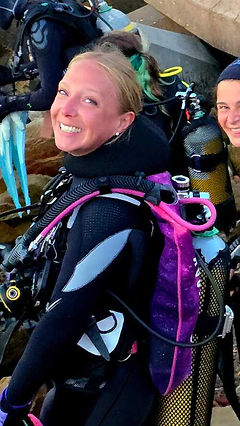
Honest medical chats before overhead adventures
Cavern tours use the same honest medical screening as any dive, with a couple of extra questions about comfort in enclosed spaces and on stairs. You complete the standard RSTC form carefully, we talk through any yes answer, and we settle anything unclear days before dive morning rather than at the truck.
If a physician's note is needed, we tell you early and explain exactly what it should cover, so there is no scramble at check in. None of this is about keeping you out of cenote diving cancun.
It is about matching the entry, route, and pace to your health so you can relax into the scenery instead of quietly wondering how your body will handle the day.
Comfort first, paperwork second, caverns third
Medically, a cavern is a scuba dive first and an overhead second, so we start where every dive starts: heart and lung health, current medications, recent surgery, and the rest of the standard questionnaire. Answer each line honestly, even if that means a translation app or a quick email to your doctor before you travel.
The daylight cavern zone of cancun mexico underwater caves is bright, open, and forgiving, and many divers with mild nerves do beautifully there with a slow descent and a wide room to settle in.
If elevators or tunnels genuinely bother you, tell us, because some guests prefer to build confidence on an open reef first and add caverns later, and we would far rather plan that in advance than solve it at the water's edge in full gear.
Some conditions do need written clearance from a physician before any tour, cavern or ocean, and if the form flags one we explain what it is and how to clear it. Once you are approved we still shape the day around comfort with shorter dives, easier entries, or extra staff on hand.
Practical logistics matter too, so ask us early: we can tell you which parts of a day at cancun caves are physically demanding, where the stairs and boardwalks are, and how long each segment keeps you in the water, so you can judge the fit honestly.
If mobility, anxiety, or a specific medication is on your mind, a message before you book gives us room to answer with care rather than a rushed yes or no at the counter, and together we decide whether a cavern tour suits you now or whether an easier program is the better first step.
Worth a mention: how a cavern differs from a cave
Training materials describe a cavern as a natural overhead space where divers can always see the entrance and stay within roughly 60 metres or 200 feet of breathable air, while cave diving goes beyond the light zone and needs full specialty training and equipment. Source: Wikipedia.
How do I book a cenote day and get confirmation and liability forms?
Reserve online and watch for a booking confirmation followed by an itinerary email. We send meeting point, start time, packing tips, and digital liability forms. A WhatsApp reminder arrives the day before with final notes.

Easy booking now, more jungle time later
Booking a cenote scuba diving day runs like any of our trips, with a little more paperwork handled up front because of the overhead environment. You reserve the Cenote 2 Tank trip online or through our team, and within minutes a confirmation lands with your date, meeting point, and price.
A separate itinerary email follows with your digital liability waiver and the RSTC dive medical form, both completed from your phone or laptop days ahead.
The evening before, a WhatsApp message confirms your pickup time, the drive length to that day's park, and a short packing list, so dive morning is a quick check in and gear fit rather than a scramble of typing at the counter.
You can also browse all our certified scuba diving in Cancun.
From confirmation email to “see you at eight thirty”
We keep the flow deliberately light because you would rather picture stalactites than sign forms. Your confirmation lays out what is included, guide, tanks, weights, transport, and park entrance fees, so nothing surprises you at the gate.
The waiver and medical questionnaire arrive as links you complete at your own pace, and filling them early matters more for caverns than for a reef morning, because if an answer needs a doctor's note we would rather sort it days ahead than at the roadside.
In high season we suggest reserving a cenote cavern dive one to two weeks out, since we run limited seats per guide and the clearest days fill first.
As the trip nears, a WhatsApp message brings the final schedule, the driving time to that day's park, and a packing checklist, and you can reply there with your hotel for pickup.
If you are stacking caverns with other diving we handle it in one thread, whether that is a course from our PADI Rescue Diver page or a reef day from Scuba Cancun Certified Diving, so your week is booked without a dozen emails.
Behind the scenes your answers set the day up: gear sizes get pulled and labeled, your experience decides your route, and the truck manifest is built the night before.
That is why check in is fast. You arrive around 8:30 at our Cancun marina, fit gear, grab a coffee, and climb into the van for the sixty to ninety minute drive into the jungle.
A splash of history: the Maya held cenotes sacred
To the ancient Maya, cenotes were sacred gateways to the underworld and a vital source of fresh water in a region with almost no surface rivers, which is why so many sit beside archaeological sites. Source: National Geographic.
That Maya connection is still alive in local traditions today. Visiting in late October or early November? Our guide to Day of the Dead in Cancun shows what it is really like and where to join in.
Can cenotes be added to a multi day package with reef and Cozumel?
Yes. Cenotes fit perfectly between reef days and a Cozumel wall for balance and rest. We help map a week that respects no fly guidance and keeps energy high.
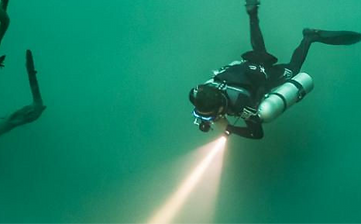
Fitting caverns into your bigger dive week
Yes, and cenotes slot beautifully into a week that already has reef days and a Cozumel trip, as long as we respect rest, travel time, and no-fly buffers.
We like to treat a cavern day as a mid-week highlight, with gentle ocean dives on either side so your energy and your ears stay happy to the end of the trip.
Because caverns are freshwater and shallow, they feel completely different from the sea without stacking on depth or long surface swims. Give us your dates and we will sketch a plan where cenote scuba diving cancun, reef mornings, and island walls take turns instead of fighting for the same day.
Reefs, islands, and jungle sinkholes on one map
Planning a multi-day trip is like building a playlist: you want variety, flow, and a few big hits without burning out on day two. Cenotes make a perfect middle track between Cancun reefs and a day across to Cozumel, changing the light, the water, and the whole feel of a dive without piling on depth.
When you share your dates and flight times, we drop in the required surface intervals and no-fly buffer first, then arrange the rest around them.
A rhythm we love is ocean to start, a cenote road trip mid-week, then relaxed reef dives before you fly, which lets you meet cancun cenote diving at full energy instead of squeezing it into a tired last morning.
The freshwater helps too, since after several salty days ears and sinuses often appreciate a cenote's gentler profile, and many guests are surprised how easy caverns feel because the dives are slow and scenic rather than long swims against current. That makes them a natural counterweight to Cozumel drifts and to shallow reef days full of ladder time.
If a package is what you want, tell us whether photography, training, or pure fun leads your list.
We can fold in a day across to Scuba Cozumel from Cancun, add a course from our PADI Advanced Open Water page, or keep it relaxed, and we will place the cavern day at the point in the week when your skills feel sharp and your confidence is high.
Done right, every dive sets up the next, so you finish the trip satisfied rather than wrung out.
Diver lingo: what an overhead environment really means
In diving, an overhead environment is any place where you cannot swim straight up to the surface, such as caves, caverns, wreck interiors, or under ice, so exits and gas must be planned more carefully. Source: Wikipedia.
Divers who want variety often plan several days with us. If that sounds like your trip, take a look at our Mayan Riviera Platinum tour, a four day eight tank package.