
MANTA
SCUBA DIVE & SNORKEL CANCUN


PADI Advanced Open Water Cancun
PADI Advanced Open Water lets you go deeper, stay longer, and dive smarter. Manta Divers Cancun offers six adventure dives including Deep, Drift, Buoyancy, Navigation, and electives like Fish ID or Night.
You’ll fine-tune trim, expand depth limits, and explore wrecks, reefs, and current lines with full gear included. Flexible three-day plans depart from Cancun, with optional upgrades to Cozumel walls or cenote caverns for the ultimate training adventure.
Below, you will find more commonly asked questions about Scuba Diving for first-time visitors to Cancun.
- How many dives are in Advanced and which adventure dives fit Cancun conditions best?
- What is the typical three day Advanced schedule with eLearning done before arrival?
- Can one adventure dive be deep on a Cancun wreck with a second drift on a reef?
- How does Peak Performance Buoyancy in Cancun help trim and air time?
- How is underwater navigation practiced on local reef routes and sand channels?
- What are the new depth limits after Advanced and how do you plan safe profiles?
- Are night or fish ID dives available as electives during Advanced in Cancun?
- Do adventure dives count toward full PADI specialties later in my training path?
- Can I start Advanced right after finishing Open Water with Manta Divers?
- What DSMB and boat procedures are practiced during local Advanced dives?
- How are currents and visibility by season for drift and deep training?
- What gear do you recommend for Advanced, such as SMB, reel, and lights?
- Can I request private Advanced coaching focused on buoyancy and navigation?
- How should I plan my no fly time after the last Advanced dive?
- Do you offer an Advanced Gold plan that includes Cozumel or cenotes?
How many dives are in Advanced and which adventure dives fit Cancun conditions best?
Advanced includes six training dives. Cancun works beautifully for Deep, Drift, Peak Performance Buoyancy, Navigation, and Boat Diver. Fish ID or Night are strong electives when conditions and schedule allow.

Six training dives tailored to local strengths
Advanced Open Water includes five required training dives, plus an optional sixth if you want more practice. Two are fixed, Deep and Underwater Navigation, and you choose the rest to suit your interests and the conditions during your visit.
In Cancun, the mix usually leans on local strengths like reef drifts, Peak Performance Buoyancy, and Fish ID. Our instructors read the daily forecast and your comfort level, then shape a plan that keeps briefings calm and the pace unhurried.
How we choose six adventure dives that make the most of local reefs, wrecks, and currents
The standard padi advanced open water diver course is built around five training dives. Deep and Underwater Navigation are the two required adventures, and you pick three more with your instructor.
In Cancun the popular choices are Peak Performance Buoyancy, Boat Diving, and Fish ID, with a gentle drift or wreck profile added when your comfort and the local conditions allow.
We match your plan to the best cancun mexico diving sites so every performance requirement is met without a rushed schedule. During planning we explain how each option feeds into your padi advanced open water diver certification and exactly what skills you will practice on each dive.
Your interests steer the mix. If you love photography, we weave buoyancy and Fish ID into routes that leave more time behind the camera. If rescue training is on your horizon, we emphasize awareness, communication, and buddy contact throughout your advanced open water padi course, broadening the comfort zone you first built during your scuba certification cancun.
Once you know what excites you most, we can sketch a path toward specialties such as deep or wreck, or answer early questions about supervised cave scuba and scuba diving cave training. Graduates often keep logging dives with us through Scuba Cancun – Certified Diving, practicing these skills in familiar water before traveling farther afield.
Behind the rules, why some sites ask for an Advanced card
Many operators ask for Advanced or equivalent training before deeper wrecks, stronger currents, or more complex sites, because the course gives supervised practice in exactly those conditions through its required Deep and Underwater Navigation dives. Source: PADI.
What is the typical three day Advanced schedule with eLearning done before arrival?
Complete eLearning before you arrive. Day 1 often covers Peak Performance Buoyancy and Navigation. Days 2 and 3 add Deep, Drift, Boat Diver, and an elective like Fish ID or Night based on conditions.

Three days built around real ocean windows
A typical Advanced program runs across two or three flexible days, timed so dives fit the best sea windows rather than a fixed schedule. Finishing your eLearning before you arrive frees on-site time for briefings, gear checks, and boat departures.
A common rhythm puts check-out and navigation on day one, Deep and Peak Performance Buoyancy on day two, and electives like drift or Fish ID on day three. Shallower sites such as MUSA and Manchones suit the early dives, with deeper or drift profiles saved for the most suitable conditions.
How a three day plan with eLearning done at home keeps training focused on diving, not rushing
With the eLearning portion of your padi advanced open water diver course finished before you land, the in-water schedule fits comfortably into two or three days.
A common plan puts check-out dives and a first adventure like navigation on day one, Deep and Peak Performance Buoyancy on day two, and electives such as drift or Fish ID on day three.
Because the academics are already done, your vacation goes to diving and skill practice rather than a classroom, which keeps the pace of your padi advanced open water diver certification relaxed.
We shape each day around your travel dates, the weather, and your energy, so some guests choose two longer days while others prefer three shorter sessions with breaks between dives.
Throughout your advanced open water padi course we keep a close eye on no-decompression limits, surface intervals, and rest, so the schedule feels like an easy extension of your original scuba certification cancun instead of a race.
When you contact us, we outline the advanced open water certification cost clearly so you can plan both time and budget before locking in dates.
If you want to add a specialty such as EANx Enriched Air Nitrox later, we can map how it fits a future visit and more diving cancun mexico. Many of these planning habits also underpin any overhead training you might pursue down the road, from an introduction to cave scuba to more technical scuba diving cave programs.
The fine print on Advanced eLearning
The knowledge portion of PADI Advanced Open Water is delivered through online eLearning you can finish before you arrive, so course time on site goes to diving rather than a classroom. Source: PADI.
Can one adventure dive be deep on a Cancun wreck with a second drift on a reef?
Yes. A deep wreck profile pairs well with a shallower drift over reef. This sequence balances nitrogen loading, comfort, and skills.

Combining wreck structure with open reef drifts
Yes. Advanced training can pair a deep, wreck-style dive with a second, shallower drift along a nearby reef when conditions allow. We usually run the deeper dive first, while you are fresh, then finish on an easy drift with time to look around.
The first profile focuses on controlled descents, depth awareness, and safe routes around the hull; the second highlights current use, buddy spacing, and timing your ascent with the group. Together they show off two classic local dive styles in a single training block.
How one training day can safely mix deep wreck skills with a follow up reef drift
Combining a deeper adventure dive on a local wreck with a shallower reef drift is one of the most popular pairings in a padi advanced open water diver course. When conditions allow, we run the deeper dive first so you meet the wreck while fresh, then relax into the drift with more time to look around.
The wreck dive lets you practice the planning, descent control, and gas management expected at deeper cancun mexico diving sites, and your instructor ties it directly to your padi advanced open water diver certification requirements: depth limits, no-decompression rules, and ascent procedures.
The follow-up drift is a great chance to refine the buoyancy and navigation you built earlier in your advanced open water padi course. Together the two dives give a well-rounded taste of what lies beyond your first scuba certification cancun, all under close supervision from our local guides.
Managing depth, time, and team communication on a wreck is also excellent groundwork if you later explore cave scuba or structured scuba diving cave courses. Skills like gas checks, SMB use, and buddy awareness carry over wherever you dive next, whether that is another Caribbean reef or a colder lake-style scuba certification new mexico course back home.
Skill spotlight, what deep and drift do for your diving
Practicing tasks like hovering during navigation and making controlled ascents from deeper dives is a big reason many students finish Advanced Open Water with noticeably better buoyancy and body position in the water. Source: PADI.
How does Peak Performance Buoyancy in Cancun help trim and air time?
PPB refines weighting, trim, and breath control. Small BCD adjustments and quiet fins create stable hovers. Better balance lowers effort and improves air time on every dive.

Fine tuning balance for longer, calmer dives
Peak Performance Buoyancy improves trim and air time through small, deliberate adjustments. Your instructor looks at where your weights sit, how your BCD is positioned, and how your breathing pattern moves you through the water.
Dialing in those details over real reef routes means you glide instead of kick, which protects the coral and lowers your effort. Because you move less and breathe more steadily, your gas usually lasts noticeably longer on every dive that follows.
How buoyancy training in real Cancun conditions sharpens trim, control, and air use
Peak Performance Buoyancy is one of the most popular dives in a padi advanced open water diver course, because it makes every future dive feel easier. In calm Cancun water, your instructor helps you fine-tune weighting, trim, and breath control until you hover without effort instead of constantly finning.
Many guests say one focused buoyancy session during their padi advanced open water diver certification changed how they feel in the water for good, especially when they come back to explore more of diving cancun mexico.
Better balance also improves gas consumption, because a diver who glides moves less, breathes more steadily, and often sees their air last longer on later dives.
That is why we strongly recommend including it in your advanced open water padi course, whether you are planning reef tours, gentle walls, or future cancun mexico diving trips with a camera in hand.
It is one of the best-value skills you can add on top of your initial scuba certification cancun, and we are always happy to walk you through what the advanced open water certification cost covers, from materials to boat dives.
To make the most of the skill in real diving cancun mexico conditions, we keep the dives playful rather than exam-like. Expect games, photos, and simple coaching on trim and weighting so you can feel each improvement, and expect your air to stretch further on every trip afterward, not only on this course.
By the numbers, the two required adventure dives
Every PADI Advanced Open Water diver must complete a Deep Adventure Dive and an Underwater Navigation Adventure Dive; the remaining dives, including Peak Performance Buoyancy, are chosen from electives like drift, night, or wreck. Source: PADI.
How is underwater navigation practiced on local reef routes and sand channels?
You will combine compass patterns with natural references. Sand lanes, coral heads, and statue lines make bearings simple to verify. Short out-and-back and square routes build reliable habits.

Turning local reefs into natural navigation classrooms
Navigation dives use real sand channels, coral heads, and statue groupings as landmarks instead of pool lanes. You swim set compass headings, count kick cycles, and return to fixed points like mooring lines or the boat anchor.
Along the way our instructors point out natural clues, such as light direction, sand ripples, and bottom contour, that back up your compass work. The mix of instrument and visual navigation is what builds a genuine sense of orientation.
How compass work and natural references combine to keep you found on local reef routes
Underwater navigation is a core part of every padi advanced open water diver course and especially fun on the reefs and sand channels near Cancun. Your instructor starts with simple out-and-back compass patterns, then builds to more complex shapes while you count kick cycles and use natural references.
Completed as part of your padi advanced open water diver certification, these exercises put you in control of your own route instead of relying on the guide. We also show how to blend compass work with visual cues, like coral heads, sand ripples, and sunlight angles, that are easy to read during cancun mexico diving.
By the end of this section of your advanced open water padi course, most divers feel more confident estimating distance, turning at the right time, and finding the boat. Those skills make every dive after your scuba certification cancun more relaxed, whether you stay local or travel farther across the region for diving cancun mexico and beyond.
Good navigation matters on gentle reefs and on bigger trips alike, from diving with whale sharks to other forms of diving with sharks in mexico, and it is one of the core skills instructors look for before students move toward cave scuba or advanced scuba diving cave pathways.
Local reefs, with their clear channels and coral fingers, are perfect for navigation games, so you might lead a leg, run a square or triangle, and guide the team back, finishing your padi advanced open water diver course calmly confident about finding your way.
Diver lingo, what natural navigation means
The Underwater Navigation Adventure Dive combines compass headings with natural references like light, contours, and sand ripples, and it can credit toward the full PADI Underwater Navigator specialty. Source: PADI.
What are the new depth limits after Advanced and how do you plan safe profiles?
Advanced increases the recommended limit to 30 m or 100 ft for adults. Plans stay conservative with slow ascents and safety stops. Computers, gas checks, and drift timing keep profiles safe.

Expanding depth range within clear standards
After Advanced, your recommended depth rises to 30 metres, or 100 feet, the recreational limit for the certification. Exact figures still depend on your age, experience, and the conditions on the day, so plans stay well inside those boundaries.
The Deep Adventure Dive is where you learn to build those profiles: checking gas needs, watching no-decompression limits, and practicing controlled descents and ascents. We choose depths around light, gas, and site character rather than chasing the biggest number.
How new depth options are introduced slowly with careful gas planning and conservative limits
Once you complete your padi advanced open water diver certification, your recommended depth rises to the recreational limit of 30 metres, as long as you stay within standards.
The Deep adventure dive in your padi advanced open water diver course is where you learn to plan those dives properly: calculating gas needs, watching no-decompression limits, and practicing controlled descents and ascents.
We make sure you understand how deeper profiles fit into a full day of cancun mexico diving, so safety always comes first.
A big part of your advanced open water padi course is choosing depths that suit your experience and the conditions, not just chasing the maximum on your computer, since staying a little shallower often buys more bottom time and more relaxed dives.
These planning habits build directly on your original scuba certification cancun and prepare you for steps like PADI Rescue Diver or specialized deep and wreck programs in diving cancun mexico and beyond.
When we compare dive options we keep your goals and your budget for advanced open water certification cost in mind, so the plan feels right on every level.
Solid depth and gas planning also matters if you ever add experiences like diving with whale sharks or a focused diving with sharks in mexico expedition.
Most of your dives will sit in the mid range where there is plenty of light and time to enjoy the reef; the deeper limit is a tool for special sites, never a daily target, and learning that mindset in clear cancun mexico diving
prepares you for future walls, wrecks, and destinations such as costa maya scuba diving where depth and current can change quickly.
Good to know, your Advanced depth limit
PADI sets a recommended maximum depth of 30 metres, or 100 feet, for Advanced Open Water divers, keeping profiles comfortably within recreational no-stop limits. Source: PADI.
Are night or fish ID dives available as electives during Advanced in Cancun?
Yes, when timing and forecast cooperate. Night reveals active reef life, while Fish ID sharpens awareness on daytime routes. Your instructor confirms availability for your dates.

Elective dives that match local sites and forecasts
Yes, both night and Fish ID can be added as electives when timing and conditions line up. Fish ID works well on bright reefs with steady light, while night dives depend on schedule, port guidance, and the forecast.
A night dive shows how a familiar reef transforms after dark, with different animals active and your light beam leading the way. Fish ID rides along on daytime dives, giving you tools to recognize the families and species you will keep seeing.
How we choose between night, fish ID, and other electives based on sea state and visibility
When conditions and logistics line up, night and Fish ID make fantastic elective options during your padi advanced open water diver course.
A night dive reveals how familiar reefs transform after dark, with different animals active and your light beam guiding the way, while Fish ID rides along on daytime dives so you can recognize the common families you will keep meeting as you continue diving cancun mexico.
Because some electives depend on timing, moon phase, or boat schedules, we confirm availability when you book your padi advanced open water diver certification. If night diving is not possible during your dates, we might suggest extra buoyancy work, boat-diving technique, or a focus on local cancun mexico diving conditions like a mild drift instead.
Every option still counts toward your advanced open water padi course, and you can return in a future season to add more to your logbook after your initial scuba certification cancun. We also explain how elective choices may or may not affect the overall advanced open water certification cost, so there are no surprises at check-out.
Even if your interests later lean toward wrecks, cave scuba, or other specialties, the awareness and control you build on these elective dives carry into more advanced scuba diving cave environments.
Weather, moon phase, and group comfort sometimes mean we swap electives at the last moment, and your crew will always walk you through the plan; if a night dive is not safe, we can usually add a different adventure that still supports your long-term scuba certification cancun goals.
Worth a mention, how electives roll into specialties
A Night Adventure Dive completed during Advanced Open Water can count as the first dive of the full PADI Night Diver specialty if you continue that training. Source: PADI.
Do adventure dives count toward full PADI specialties later in my training path?
Yes. The first dive of a related specialty can be credited if completed during Advanced with an instructor. This shortens future specialty training.

Building toward future specialty paths
Yes. Each Adventure Dive mirrors the first dive of its matching specialty, so a deep, wreck, or navigation dive can often credit toward that full specialty later. Advanced Open Water is designed as a structured sampler of what comes next.
We keep clear records of which adventure dives you complete and how they line up with future training. That way you carry momentum from Advanced into your next course instead of starting from zero.
How adventure dives connect with later specialty training without locking you in
One of the biggest advantages of a padi advanced open water diver course is that it lets you sample different specialties in a structured way. Each adventure dive follows the standards of its matching specialty, so that first deep, wreck, or navigation dive can often credit toward the full specialty later with the same instructor team.
When you complete your padi advanced open water diver certification in Cancun, we keep clear records of which adventure dives you finished and how they align with future steps such as PADI Rescue Diver.
If you already know you love navigation or buoyancy, ask your instructor to build your advanced open water padi course so those dives roll forward efficiently.
That way, when you continue beyond basic scuba certification cancun, you are not starting from zero. Many divers use their Advanced experience to plan a long path that might include EANx Enriched Air Nitrox, rescue training, or other courses that keep them coming back to enjoy diving cancun mexico with more confidence each visit.
As your experience grows, these skills support safe, respectful diving with whale sharks or other forms of diving with sharks in mexico should you choose them later.
If you enjoy our style of teaching, you can always return for more guided dives and specialties through Scuba Cancun – Certified Diving, carrying momentum from your padi advanced open water diver certification into the next course without ever feeling locked into one path.
The stepping-stone effect
Each PADI Adventure Dive follows the first dive of its matching specialty, so completing one during Advanced can credit toward that full specialty course later. Source: PADI.
Can I start Advanced right after finishing Open Water with Manta Divers?
Yes. Many divers roll straight into Advanced while skills are fresh. A short rest window between days keeps energy high.

Rolling straight from basics into new challenges
Yes, you can move straight from Open Water into Advanced, and many divers do while their skills and confidence are still fresh. There is no minimum number of logged dives required to enroll, only the Open Water certification and the right age.
If you are comfortable with mask clears, buoyancy, and basic buddy procedures, the next course is a natural step. We talk through your comfort level first and sometimes suggest a warm-up fun dive before the training begins.
Ready to get certified? See all our PADI certification courses in Cancun.
How continuing directly into Advanced keeps momentum without skipping important consolidation time
Moving straight from Open Water into a padi advanced open water diver course is very common, especially when you are excited and want to keep building while everything is fresh.
As long as you meet the age and certification requirements, you can begin your first adventure dive as soon as you hold your PADI Open Water Training card or an instructor sign-off.
Many divers find that rolling directly into their padi advanced open water diver certification helps them feel at home in new environments like deeper reefs and gentle currents.
We will talk honestly about your comfort level before confirming your advanced open water padi course schedule, and we might suggest an extra fun dive if you would like one more relaxed experience first.
The advantage of staying in training mode is having an instructor beside you while you explore new cancun mexico diving sites and refine buoyancy, navigation, and communication.
By the time you fly home, you will have gone well beyond the minimums of your first scuba certification cancun and taken a solid step toward courses such as PADI Rescue Diver.
Rolling courses together can be an efficient way to invest in your training, and we are happy to compare the advanced open water certification cost here with what you might see at home.
When you book, we look at your recent dives, comfort, and schedule together, sometimes adding a warm-up day of easy reef dives so your advanced open water padi course feels exciting and achievable rather than a race to tick off boxes.
Ever wondered how soon you can start?
PADI Open Water Divers can enroll in Advanced Open Water with no minimum number of logged dives, which is why many divers continue straight on while their skills are still fresh. Source: PADI.
What DSMB and boat procedures are practiced during local Advanced dives?
You will deploy a DSMB from depth or the stop, manage line and reel, and signal the boat. Entries, exits, and live pickups are refined to keep teams tight.
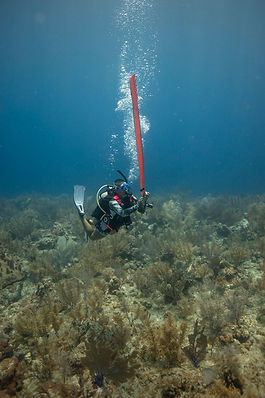
Surface signaling and boat drills woven into every day
Local Advanced dives build DSMB and boat skills alongside the underwater work. You learn when and how to deploy a marker from depth, how to hold position while it rises, and how to stay visible at the surface.
Briefings also cover roll calls, pickup patterns, and clear communication with the crew, so boat handling feels routine rather than mysterious. Practicing in calm water makes these habits easy to repeat anywhere you dive next.
How DSMB practice and boat protocols become part of your normal dive rhythm
Launching a DSMB and refining boat procedures are key parts of becoming a more capable diver, especially where there is boat traffic or mild current. During your padi advanced open water diver course we introduce or review how to prepare the DSMB and reel, deploy from depth or the safety stop, and stay streamlined while you work.
Practicing these steps in calm diving cancun mexico conditions makes them easy to repeat on future trips anywhere in the world.
We also cover practical boat skills that support your padi advanced open water diver certification, like organizing gear at your station, listening for recall signals, and using clean entries and exits to keep things smooth for the whole group.
These habits build on what you learned during PADI Open Water Training and are refined throughout your advanced open water padi course. By the end of the weekend you will feel more confident stepping onto any dive boat, not just those in cancun mexico diving areas.
Clear DSMB and boat communication is just as valuable on reefs as it is on charter trips to remote wrecks, cave scuba expeditions, or any organized scuba diving cave project.
We keep the drills relaxed and repeatable so sending up a marker, signaling the captain, and exiting in a current become normal habits you will use whenever you join Scuba Cancun – Certified Diving or any other charter around the world.
Gear geek moment, the delayed SMB
Deploying a delayed surface marker buoy from depth is a core Advanced skill, marking your position and signaling the boat before you surface in areas with traffic or current. Source: PADI.
How are currents and visibility by season for drift and deep training?
Visibility is often 50 to 100 ft with gentle to moderate currents. Winter fronts can add surface chop, while summer brings warm, clear water. We pick routes that match the day’s wind and flow.
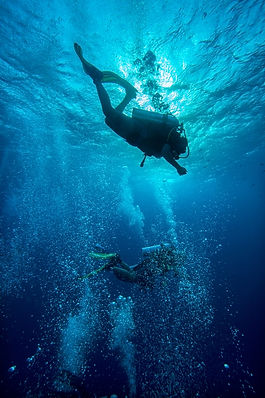
Planning deep and drift dives around real seasonal patterns
Currents and visibility around Cancun shift with the season, so deep and drift training is timed around typical patterns. Calmer months often bring clearer water and gentler flow, while windier periods favor more sheltered routes.
Our instructors lean on marine forecasts, local knowledge, and port guidance to decide when and where to run each part of the course. Learning to read those conditions is a core part of becoming a confident Advanced diver.
How seasonal shifts in current and clarity shape when we schedule deep and drift dives
Currents and visibility around Cancun change with the seasons, and we plan your padi advanced open water diver course dives with those patterns in mind. Some months bring very clear water and a gentle drift along the reef, while others have slightly reduced visibility but calm seas that are ideal for navigation and buoyancy practice.
Your instructor briefs you on what to expect for each adventure dive, whether you are on walls, shallower reefs, or sites better known for relaxed cancun mexico diving.
Learning to read conditions is part of becoming a more confident Advanced diver, so we talk about how current direction affects entry and exit, how to keep buddy contact close to the reef, and how to plan gas and turn points as flow changes.
These skills travel with you well beyond your padi advanced open water diver certification, not just here in diving cancun mexico, and they prepare you for future specialties and leadership courses that build on your original scuba certification cancun.
Seasonal promotions come up from time to time, so if we are running any specials on advanced open water certification cost during your travel window, we will tell you up front.
Understanding how seasons shape currents and visibility also readies you for special trips like diving with whale sharks or more advanced diving with sharks in mexico along other stretches of coast.
Many graduates use their new certification to explore other regions too, from resorts known for best scuba in mexico to quieter destinations like diving in loreto mexico or relaxed costa maya scuba diving itineraries.
A splash of local knowledge, the drift dive
The Drift Adventure Dive teaches you to move with the current while staying with your buddy team, a skill that suits the seasonal flows around Cancun and can credit toward the PADI Drift Diver specialty. Source: PADI.
What gear do you recommend for Advanced, such as SMB, reel, and lights?
Bring or rent an SMB with a compact reel, a reliable dive light, and a simple slate. A cutting tool and a wrist compass round out the kit. Personal computers help log data and plan gas.
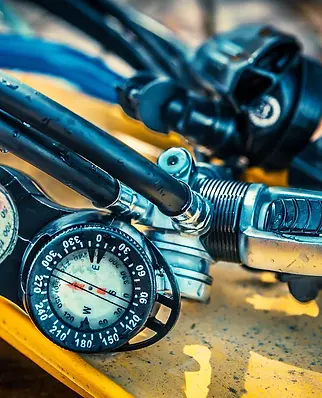
Practical tools that fit real world Advanced dives
For Advanced training, simple and reliable gear beats an over-complex setup. Most divers add a compact DSMB and reel, a primary light with a backup for night use, and streamlined pockets or clips for storage.
Your instructor can show you how to deploy, stow, and maintain each item so it adds safety without clutter. The aim is a kit you understand well enough to use without thinking, dive after dive.
How choosing sensible signaling tools and lights now makes future travel diving easier
As you move into a padi advanced open water diver course, it is a good moment to think about the personal gear that will support your future diving. An SMB and reel, a reliable cutting tool, and a comfortable computer are common additions around the time of your padi advanced open water diver certification.
Your instructor can suggest options that match your travel style and budget, so you have what you need for the deeper reefs, mild current, and boat procedures typical of cancun mexico diving.
We are also happy to explain the pros and cons of different configurations, such as the scuba din vs yoke question and how each relates to rental tanks in different parts of the world.
Conversations like these go hand in hand with planning your advanced open water padi course, because the right equipment helps you apply everything you learned in your original scuba certification cancun.
Whether you buy gear here or at home, the goal is a kit that will serve you across many future trips of diving cancun mexico and beyond, and remember that personal gear sits separate from the core advanced open water certification cost.
We enjoy sharing real-world stories from our own travels, from big trips built around scuba diving documentary projects to simple weekends of scuba. diving focused on one favorite site at a time.
Gear talk often touches on compatibility too, like how different first stages work with popular din valve scuba systems in areas known for best scuba in mexico or further afield.
Gear checklist, what to carry into Advanced
PADI recommends divers moving into Advanced and specialty diving carry a delayed surface marker buoy with a reel or spool, plus a primary and backup light for night and low-light dives. Source: PADI.
Can I request private Advanced coaching focused on buoyancy and navigation?
Yes. A private instructor lets you spend more time on trim, propulsion, and precise compass work. The schedule and sites are tailored to your goals.

Custom coaching days focused on your priorities
Yes, private Advanced coaching is available for divers who want extra attention on buoyancy, navigation, or settling nerves in new conditions. A dedicated instructor tailors the briefings, skill order, and site choices to your goals.
This format suits divers who learn best one on one, or who have specific skills they want to sharpen. With a private schedule the pace flexes to you, whether that means longer hovers for photos or repeated compass patterns on the sand.
How private coaching lets you spend more time on buoyancy, navigation, or any skill that matters most to you
If you prefer extra attention or have specific goals, you can absolutely request private coaching for your padi advanced open water diver course. Divers often choose it to focus heavily on buoyancy, trim, or navigation, or when they are returning after a break and want a slower pace.
With a private schedule, your instructor tailors each adventure dive in your padi advanced open water diver certification to the exact skills you want to sharpen, whether that is hovering for photos or running square and triangle patterns on the sand.
Private coaching also makes it easy to fold in feedback from earlier courses like PADI Open Water Training or EANx Enriched Air Nitrox.
Working one on one builds a longer relationship with an instructor who understands how you learn, and together you can design an advanced open water padi course route that maximizes time on the skills you care about most while fully meeting standards.
It is a great way to turn your time in diving cancun mexico conditions into a strong foundation for future travel and training beyond your first scuba certification cancun.
Private coaching can change the overall advanced open water certification cost, and we always price those options transparently before you decide.
In private sessions we can even talk through how today's techniques would apply on trips that one day include diving with whale sharks or carefully guided diving with sharks in mexico
safaris, and if overhead environments interest you, it is a good time to ask high-level questions about what proper cave scuba and supervised scuba diving cave instruction look like in Mexico.
Coaching corner, buoyancy that keeps paying off
The Peak Performance Buoyancy Adventure Dive fine-tunes weighting and trim, and it can credit toward the full PADI Peak Performance Buoyancy specialty if you keep training. Source: PADI.
How should I plan my no fly time after the last Advanced dive?
Leave a buffer after multiple dives. Eighteen hours is commonly recommended, and 24 hours is a conservative target before flights. Plan airport transfers accordingly.

Planning surface intervals and flight windows together
Plan a generous surface interval between your last dive and your flight. For multiple days of diving, the common guideline is a minimum of about 18 hours before boarding a plane.
Total dive time, depth, and repetitive profiles all influence when flying is wise, so we build your schedule to finish diving at least a full day before departure. That leaves room to relax, log dives, and enjoy the beach without last-minute timing worries.
How thinking about flights during the course helps you schedule the last dive conservatively
Planning no-fly time is an important part of any padi advanced open water diver course itinerary. As a general rule, divers should leave a minimum surface interval before flying after multiple dives, and we help you map that into your vacation dates.
When we design your padi advanced open water diver certification schedule, we try to finish all diving at least a full day before departure, so you can relax, log dives, and enjoy the beach without last-minute timing.
Your instructor also explains how no-decompression limits, surface intervals, and multi-day diving interact, especially when your advanced open water padi course includes deeper profiles or several boat days in a row.
This knowledge is useful anywhere you travel, from diving cancun mexico reef trips to more complex expeditions. If you plan to add courses like EANx Enriched Air Nitrox in future, understanding conservative ascent and flying rules is another way to protect the investment you made in your scuba certification cancun.
Good planning means weighing time, safety margins, and the value you get from the advanced open water certification cost you set aside for this trip.
The same conservative mindset serves you on future itineraries with diving with whale sharks or liveaboard-style diving with sharks in mexico, and the same checklist will help you schedule safe surface intervals for trips that include scuba diving costa maya, liveaboards, or multi-day road journeys focused on best scuba in mexico highlights.
Safety margins, flying after diving
Divers Alert Network guidelines suggest waiting a minimum of about 18 hours before flying after multiple dives or several days of diving, to reduce the risk of decompression sickness. Source: Divers Alert Network.
Do you offer an Advanced Gold plan that includes Cozumel or cenotes?
Yes. Advanced Gold spreads the six dives across Cancun reefs plus a Cozumel wall day and a cenote cavern adventure when conditions allow. It delivers variety, coaching, and world class visibility.

Expanded options for walls, wrecks, and caverns after certification
Yes, we can build a premium plan that adds a day in Cozumel or a carefully chosen cenote to your Advanced course. Some adventure dives run on local reefs, while others suit a Cozumel wall or a cavern-style site that stays within recreational limits.
These upgrades are treated as separate adventures that build on, rather than replace, the core training dives around Cancun. We map travel time, surface intervals, and experience level so the schedule stays comfortable.
How an extended plan can link local training with optional trips to Cozumel or cavern style sites
Many divers love combining their padi advanced open water diver course with a special day in Cozumel or a carefully chosen cenote, and we can design a plan that suits your experience.
Depending on conditions and scheduling, some adventure dives run on local reefs while others are planned for a Cozumel wall or a cavern-style site that stays within recreational limits.
We always keep standards and your comfort in mind when mapping how these pieces fit into your padi advanced open water diver certification. For a premium or Gold-style package we talk through travel time, surface intervals, and which dives best showcase diving cancun mexico, Cozumel, or cenote environments without overloading your schedule.
We can also discuss how the plan connects to future specialties, EANx Enriched Air Nitrox, or higher-level courses like PADI Rescue Diver. That way your advanced open water padi course becomes a memorable highlight of your scuba certification cancun journey and a jumping-off point for more adventures in the region.
Any upgraded package includes a clear breakdown of how travel and extra dives sit alongside your base advanced open water certification cost.
If your long-term goals involve pelagic encounters like diving with whale sharks, we can plan how to build up experience across different areas of diving with sharks in mexico
after this course, and for guests with extra days we can link training with a Cozumel drift wall or cavern tour whenever boats, sea state, and your experience level line up.
The next step, cavern versus cave
Cavern diving stays within the natural light zone and recreational limits, which is distinct from full cave diving, and PADI offers Cavern Diver as a specialty for certified divers wanting a first taste of overhead environments. Source: PADI.