
MANTA
SCUBA DIVE & SNORKEL CANCUN


Scuba Diving in Cancun | What to Know Before You Dive
Diving around Cancun offers warm water, clear visibility, and a mix of sculpture gardens, coral reefs, and shipwrecks. Manta Divers helps certified divers enjoy smooth drift dives, tailored site choices, and safe plans based on wind and current.
Whether it’s your first dive since a break or your fifth trip to MUSA, our team picks the right profiles for skill level, comfort, and camera work—plus Nitrox, private guides, and Cozumel day trips for a complete week.
Below, you will find more commonly asked questions about what to know before you dive in Cancun.
- What are the signature dive sites around Cancun for certified divers?
- How deep are Cancun outer reefs and what experience level is recommended?
- What is visibility like by season in the Mexican Caribbean and how does it affect planning?
- Which currents are common and how do you plan safe drift dives locally?
- What marine life is most often seen at MUSA, Manchones, and outer reefs?
- When is the calmest season for beginners and training dives near Cancun?
- What no fly guidance should I follow after two tank reef or wreck dives?
- Is Nitrox useful for Cancun reef profiles and repetitive dives in one morning?
- What exposure suit thickness works best by month for local water temperatures?
- Are wreck dives available from Cancun and which routes are typical?
- Can I combine reef, wreck, and MUSA in a single two tank plan?
- How do port closures work and what wind or wave conditions trigger them?
- Are private guides recommended for photographers or divers returning after a gap?
- What is the best way to plan a week that includes Cancun, Isla Mujeres, and Cozumel?
- How do you choose sites on the day when wind direction changes mid trip?
What are the signature dive sites around Cancun for certified divers?
Local highlights include the MUSA Underwater Museum and Manchones Reef for colorful, easy profiles. Outer reefs off Cancun add depth, drift, and larger schools. Wreck fans enjoy classic steel ships paired with a second reef dive.

From MUSA statues to reefs, wrecks, and rays
For certified divers, the signature Cancun circuit usually opens at the musa cancun underwater museum and the Manchones reefs, then works outward to deeper reefs and steel wrecks. Those first sites are shallow and forgiving, which makes them the natural place to settle weighting and rhythm before you commit to bigger profiles.
From there your shortlist depends on certification level, recent experience, and how comfortable you feel with current and blue water descents. Tell us what you enjoy most and we can pair you with the right boats, guides, and departure days, whether that means extra time at the cancun musa underwater museum or more passes over the outer walls.
To dive them, book the 2 tank MUSA and reef trip or the classic reef dive at 60 feet and we will build your circuit from there.
Ready to get certified? See all our PADI certification courses in Cancun.
Building a custom playlist of Cancun dives that fit your card.
Certified divers based in Cancun have an unusually wide menu, with statue gardens, shallow coral, and deeper walls all inside day trip range. A common progression is MUSA first, then Manchones for classic Caribbean coral heads, and an outer reef or wreck on a later day once everyone has found their rhythm.
Booking through Scuba Cancun – Certified Diving makes it simple to mix and match these routes while keeping groups small and profiles relaxed. Because we own and run our own boats, we can adjust the order of sites to suit the divers actually on board rather than a fixed timetable.
Families planning a week often compare options online and search phrases like cancun underwater museum cost or museo musa cancun. Price is worth knowing, but the more useful question is which sites will suit each person, from the diver who loves long drifts in clear visibility in water to the newer diver who prefers calm statues and reefs.
Our guides are happy to suggest a sequence that balances easy starting points with a little more adventure as the days go on. After years of local dives we have a good sense of which combinations leave first timers and seasoned divers equally satisfied.
A number that surprises first time MUSA divers
The Cancun Underwater Museum, or MUSA, holds more than five hundred permanent sculptures across its underwater galleries, making it one of the largest underwater art museums in the world. Source: Wikipedia.
MUSA is only one stop on the local map. For the wider picture, our guide to the best scuba diving in Cancun covers the reefs, the wrecks and where each site fits. We keep it plain and practical.
How deep are Cancun outer reefs and what experience level is recommended?
Outer reefs commonly run 50 to 80 ft with relaxed multilevel profiles. Open Water divers are comfortable on the shallower lines, while deeper routes and wrecks suit Advanced training. Guides group teams by experience to keep the pace smooth.

Outer reefs are deeper, but still recreational
Most Cancun outer reefs sit in the mid range recreational band, deep enough to feel like a true ocean dive without crossing into technical territory. Depths commonly run from the mid fifties to around eighty feet, shifting with the specific site and how close you stay to the drop off or the sand line.
We recommend recent dives at similar depths, steady buoyancy, and comfort in light current before heading out, especially with a camera in hand. If your logbook is rusty, a warm up on shallower reefs or at MUSA lets you test weighting, air consumption, and equalization before adding deeper profiles later in the week.
Choosing between shallow gardens, outer walls, and wreck style depth.
Outer reefs off Cancun reward divers who already feel settled in the water. Good buoyancy and easy equalization matter here, because the profiles are deeper and often involve some drift along the reef edge.
Exact depths vary by site, but these routes suit divers who can manage their gas without rushing and have some drift experience. Newer divers usually do better starting on the shallower inner reefs and statue gardens, then choosing a day when they genuinely feel ready for something more advanced.
When we plan these dives for a family, we weigh recent conditions and comfort level rather than certification cards alone. If someone feels uneasy after reading online about cancun shark attacks or other rare incidents, the guide talks through the plan in detail and may suggest saving outer reefs for later in the trip.
By matching the site to real experience and holding conservative time and depth limits, you get the big blue views while the day stays relaxed. Our guides dive these reefs constantly, so they know which lines feel comfortable for a given group on a given morning.
Just how big is the reef you are diving on
The reefs off Cancun form the northern end of the Mesoamerican Barrier Reef System, the second largest barrier reef in the world, stretching roughly one thousand kilometres from Mexico down to Honduras. Source: Wikipedia.
Divers who want the deeper end of that reef system usually step up to the Advanced Open Water course in Cancun. The training covers deep, drift and navigation dives. It fits neatly into a regular dive vacation.
What is visibility like by season in the Mexican Caribbean and how does it affect planning?
Summer often brings warm water and 60 to 100 ft visibility. Winter fronts can add surface chop and reduce viz, though reefs still deliver clear lanes. Captains choose routes that keep entries and pickups easy for the day’s forecast.
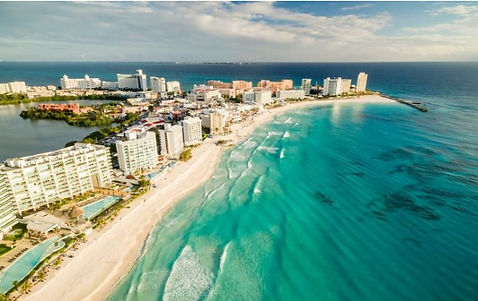
How Caribbean seasons change your underwater view
Cancun offers good diving year round, but visibility in water shifts with season, wind, and current. Summer and early fall tend to bring warm, clear water and long blue views over the reef and statues, while winter fronts can stir up sand and trim visibility for a few days at a time.
Even on softer days the reefs still deliver plenty at close range, from macro subjects to fish life and buoyancy practice around the statues at the musa underwater museum cancun. For a month by month breakdown, our Weather and Season guide helps you match the time of year to the sunlight and surface chop you prefer.
Planning your dives around light, clouds, and water clarity.
Along the Cancun coast the current usually runs clean, so conditions often feel similar day to day even when the forecast wobbles. Summer and early autumn bring the bluest water, when visibility in water stretches far across the reef and softens any small surface chop.
In winter, passing fronts can lower colors underwater visibility a little, though bright sand and coral still make it easy for families to stay together and for new divers to follow the guide. The change is usually a matter of a few metres rather than a washed out dive.
Planning families sometimes read about tides, algae, or search phrases such as shark attacks in cancun or cancun shark attacks. The reality on a normal dive day is a calm, well supervised tour where the guide keeps a close eye on comfort and timing.
Our Weather and Season information shows which months tend to hold the longest stable spells, so you can choose a window that suits children, grandparents, and anyone who wants the smoothest rides and easiest entries.
The calendar every local captain keeps in mind
NOAA defines the Atlantic hurricane season as running from the first of June through the end of November, the stretch when tropical systems are most likely to affect the wider Caribbean and shape local sea and visibility conditions. Source: NOAA.
Which currents are common and how do you plan safe drift dives locally?
Expect light to moderate set along reef contours, with direction decided by tides and wind. Teams space out, keep buoyancy neutral, and let the reef carry them. DSMB practice, boat signals, and tidy exits keep drifts controlled.

Expect gentle to moderate drifts on most reef days
The sea in cancun is shaped by the Caribbean current, so many local dives are natural drifts. On most days the current is light to moderate and follows the reef contour, letting you glide along while you watch fish, coral, and the light moving across the sand.
We plan entries, routes, and exits around that flow so you relax into it rather than swim against it. If conditions build past what feels comfortable for the group, we move to more sheltered sites, change depth, or adjust timing before anyone feels pressured to keep up, letting the current work for you instead.
How we turn moving water into an easy underwater ride instead of work.
Most local dives are gentle drifts where you follow the guide and let the current do part of the work. The briefing explains whether you will move along a reef, around a wreck, or past the statues, and the boat tracks your bubbles so you can simply enjoy the scenery.
Clear visibility in water helps families stay together, and guides check on each diver often, so anyone who feels unsure can signal and adjust the plan early. Nothing about a drift requires hard swimming when the site is chosen well.
When people hear the word current they sometimes picture dramatic videos or link it with stories about sharks in cancun. In practice the drifts here are matched to the group, and conditions that feel too strong for training or family dives are simply left for another day.
Trusting the local crews on Scuba Cancun – Certified Diving routes lets you enjoy the sensation of flying over the reef while the guide quietly manages timing, direction, and safe ascents. After years of running these sites, the team reads the water quickly and adjusts before it becomes work.
The ocean river that gives you a free ride
The Yucatan Current flows steadily northward past the coast and feeds the Gulf of Mexico Loop Current, which is why guided drift diving is a normal part of exploring local reefs and walls. Source: NOAA Ocean Explorer.
That same current is a big part of what makes Cozumel's walls famous. Our Cozumel direct trip lets you dive those walls in one day from Cancun. Ask us about it when you sketch out your week.
What marine life is most often seen at MUSA, Manchones, and outer reefs?
MUSA and Manchones host schools of grunts, angelfish, and parrotfish, with occasional turtles and rays. Outer reefs add larger schools, barracuda, and sponges. Wrecks attract bait clouds and patrolling predators.

Fish, turtles, rays, and the occasional curious shark
MUSA, Manchones, and the outer reefs share many of the same Caribbean residents, though each has its own character. On a typical day you can expect schools of grunts and snappers, angelfish, parrotfish, and busy reef life, with turtles and eagle rays as frequent visitors and nurse sharks resting under ledges.
Actual shark attacks in cancun or wider cancun mexico shark attacks are extremely rare; most local sharks are shy and glide past without drama before disappearing into the blue. For most visitors the real surprise is how much everyday life buzzes around the statues and coral, from tiny blennies to shimmering clouds of baitfish.
See it in person on our certified MUSA dive from Cancun.
What you are likely to see, from statues to pelagics.
At the statue garden and the nearby reefs you can expect a gentle mix of reef fish, turtles, and the occasional ray gliding past the artwork. The site often called musa underwater museum cancun was built to attract coral and create shelter, so sergeant majors and grunts weave between the figures while jacks circle overhead.
On calm days the statues underwater in cancun look almost like a flooded gallery, with parrotfish and angelfish giving children something to point at every few metres. The longer you hover, the more small creatures appear among the coral that has taken hold on the sculptures.
Families sometimes ask are spotted eagle rays dangerous when they see photos of big wingspans near the reef. These graceful visitors are shy and usually pass at a respectful distance, much like most of the other animals cancun mexico divers meet.
On Scuba Cancun – Certified Diving trips your guide explains what to expect before you roll in and how to move calmly so wildlife stays relaxed.
If your family hopes to see even larger ocean animals, seasonal options such as Whale Shark Snorkeling slot neatly into a week of gentle reef dives. It is a good way to trade the reef for open water without adding pressure to your diving days.
Why the statues are slowly turning into a reef
The MUSA sculptures were cast from a pH neutral marine concrete specifically so that corals, sponges, and algae would colonise them, gradually turning the underwater galleries into a living artificial reef. Source: Wikipedia.
When is the calmest season for beginners and training dives near Cancun?
Late spring through early fall often sees calmer seas and warm water. Mornings are usually the smoothest time of day. In winter, we choose sheltered lines and time entries for comfortable starts.

Picking calmer months for easy training dives
If you are new to ocean diving, gentle seas and good surface conditions matter almost as much as depth. Around Cancun, late spring through early fall usually brings warm water, light winds, and smooth boat rides, which helps beginners relax and focus on skills instead of chop.
Winter fronts can add some bump and cooler breezes, but even then we find sheltered sites behind Isla Mujeres that work well for training dives and refreshers on most days the port is open.
Our Weather and Season page is a good place to start when you are deciding which month will feel most comfortable for your first boat days.
Matching your comfort level with the right month on the calendar.
For new divers and younger family members, calm seas and light wind make a real difference to the first experience. Around Cancun, late spring and much of summer often bring long stretches of gentle conditions with warm water and easy boat rides, though every year runs a little differently.
During these calmer periods, entries, exits, and safety stops feel less busy, so beginners can concentrate on breathing, buoyancy, and the scenery rather than the surface. That relaxed first impression is often what turns a nervous first timer into a keen diver.
Our Weather and Season information is updated regularly, so you can see which months tend to combine the smoothest air temperature, water temperature, and visibility in water. Even when a breeze picks up, the bright sand and reefs keep colors underwater visibility cheerful and open, which helps new divers stay oriented.
By planning training with Scuba Cancun – Certified Diving around the calmer windows, you give your family the best chance to fall for diving from the first descent. Our instructors set the pace to the least confident person in the group, which keeps everyone comfortable.
What the winter wind does to the sea here
Through winter the Yucatan coast is periodically brushed by cold fronts known locally as nortes, which sweep down from North America and bring the windier, choppier days that dive captains plan around. Source: NOAA.
What no fly guidance should I follow after two tank reef or wreck dives?
Plan a buffer after repetitive dives. Eighteen hours is widely recommended, and 24 hours is a conservative target. Schedule airport transfers with that window in mind.

Give your body time to off gas before flying
After two tank reef or wreck dives, standard no fly guidance applies in Cancun just as it does anywhere else. Most agencies recommend waiting at least eighteen hours after repetitive no decompression diving before you board a plane, and many dive computers display similar advice on screen.
That window lets your body offgas excess nitrogen safely and keeps your risk low even after several active days underwater. Plan the schedule so your last dive day is followed by a dry travel day, and avoid squeezing a deep dive in right before your flight just to add one more site.
How we plan your final dive day so airport day feels easy.
After any dive trip it pays to give your body time to clear nitrogen before flying. For typical two tank reef or wreck outings, many training agencies suggest waiting at least eighteen to twenty four hours before boarding a plane, especially after several consecutive days of diving.
Setting up your last day as a relaxed beach or shopping day keeps everyone rested and makes travel day calmer for children and adults alike. It also removes the temptation to book a final morning dive that would eat into your no fly buffer.
Families often ask a run of safety questions at once, from how long to wait before flying to topics like can you swim with sharks on your period or can you go in the ocean on your period.
Our crew is used to these honest questions and answers them plainly, since normal hygiene and sensible surface intervals cover most concerns.
If you are ever unsure, talk to your instructor on Scuba Cancun – Certified Diving trips or check the notes on our Weather and Season page before you lock in a flight home. A little planning around the last dive day is the easiest safety margin you can give yourself.
The clock that starts ticking after your last dive
Divers Alert Network and the major training agencies advise waiting at least eighteen to twenty four hours after repetitive recreational dives before flying, which lowers the risk of decompression sickness at cabin altitude. Source: Divers Alert Network.
Plenty of guests spend that last no fly day at the surface instead. Our Puerto Morelos snorkel tour keeps things shallow and includes a beach club lunch. It is an easy way to close out a dive trip.
Is Nitrox useful for Cancun reef profiles and repetitive dives in one morning?
Yes, Nitrox lowers nitrogen loading and can extend no stop times at moderate depths. It pairs well with two tank routes at MUSA, Manchones, and outer reefs. Analyze cylinders and set FO2 on your computer before boarding.

Using Nitrox on typical Cancun reef dives
Nitrox is genuinely handy for local two tank reef days, though it is not required. Most Cancun profiles are shallow to mid depth, so enriched air mainly adds no decompression time and a bigger safety cushion between repetitive dives.
It earns its keep if you like to stretch bottom time, watch visibility in water change from one layer to the next, or run longer multi day packages, and it is especially useful on the deeper sections of wrecks and outer reefs.
If you stay conservative on air and depth, regular air still works well, and you can mix the two across your trip as plans change.
When Nitrox is worth it for reef, wreck, and drift profiles.
For most local reef mornings, Nitrox is a useful tool rather than a magic trick.
Cancun sites mostly sit in the ten to eighteen metre range, which already gives generous no stop times on air, so enriched air simply lowers nitrogen loading and adds margin while you enjoy the clear visibility in water that makes family diving here so relaxing.
On a two tank trip the guide still plans profiles conservatively, around the shallowest diver and the computer with the shortest limits. You analyse your cylinder, set your oxygen percentage, and then follow the same slow ascents and safety stops you would on air.
Many guests say they feel less tired after Nitrox days, even after a busy morning spotting turtles and colorful fish rather than worrying about headlines or search terms like sharks in cancun or sharks cancun mexico. That lighter feeling is often what convinces people to add the specialty.
If you enjoy local reef diving and want to learn more, the team at Scuba Cancun – Certified Diving can fit a simple Nitrox specialty into a vacation schedule. It is also worth checking our Weather and Season notes so you can match your plans to the conditions you like best.
A simple gas swap that buys you bottom time
Diving with enriched air nitrox reduces the nitrogen you take on at a given depth, which is why it can extend no stop limits on the repetitive shallow to mid depth dives that are common around Cancun. Source: PADI.
Getting certified for enriched air is straightforward with us. Our PADI Enriched Air Nitrox course in Cancun covers what you need to dive it with confidence. Many repeat visitors consider it their most useful certification.
What exposure suit thickness works best by month for local water temperatures?
Most divers use a 3 mm shorty or full suit in summer and a 3 mm full suit in winter. Rash guards help with sun and stings. Sensitive divers add a hooded vest when fronts pass.

Picking the right wetsuit for local water temps
Water in Cancun stays comfortable most of the year, but small monthly changes shape how warm you feel across repetitive dives.
In summer many divers are happy in a thin shorty or light full suit, while winter and early spring usually call for a full three millimetre suit, especially on longer days with breeze on the boat and shaded surface intervals.
If you run cold, a hooded vest or a thicker suit keeps those later dives enjoyable and lets you linger over reefs and mexico underwater sculptures without shivering. Think about your comfort level at home, how many days you plan to dive, and lean a little warmer for multi day packages or deeper wreck profiles where you move less.
How locals layer up when the breeze or rain changes the mood.
Water temperatures in the Mexican Caribbean stay comfortable for most of the year, yet a few degrees change how cozy you feel on the second dive. Many guests arrive wondering can you swim in cancun without a wetsuit, because the shallows and pools feel warm at first touch.
For diving, a thin full suit usually keeps the whole family happier by slowing heat loss during longer bottom times and breezy boat rides, especially when you spend a lot of time hovering still to watch fish. The extra warmth matters more on the second and third dives of a day.
Locals sometimes talk about cooler days afuera on the open sea, and phrases like afueara are a reminder that air temperature, cloud cover, and wind all play a part. Our Weather and Season updates make it easy to match suit thickness to the month.
That way you can pack light but still stay warm enough to enjoy the excellent visibility in water. Our crew is always glad to give honest advice for children, first time divers, and anyone who tends to feel the cold more than the rest of the group.
How warm is the water you will be diving in
Sea surface temperatures off Cancun typically run from about twenty six to twenty eight degrees Celsius in winter up to around twenty nine or thirty in late summer, which is why most divers stay comfortable in thin exposure suits. Source: Sea Temperature.
Are wreck dives available from Cancun and which routes are typical?
Yes, Cancun features classic steel wrecks with lively fish life. Captains often pair a wreck with a second reef for a balanced two tank day. Wrecks suit Advanced students or confident certified divers.

Yes, Cancun has real wrecks worth the ride
Several steel wrecks sit off Cancun at recreational depths, with profiles suited to experienced divers who are comfortable with current, blue water descents, and slightly longer bottom times. Typical routes pair one wreck with a nearby reef, so you get structure and schooling fish on the first dive and a more relaxed second dive on the same day.
These outings are planned separately from statue tours and beginner trips, which leaves room to focus on gas planning, buoyancy, and drift skills without rushing. Ask us which wrecks fit your experience and recent dive history before booking, and we can advise whether Nitrox or a private guide makes sense.
What to expect on a local wreck day from dock to debrief.
Several interesting wrecks lie within reach of a normal morning departure from Cancun, and most follow friendly profiles. Boats often begin on a reef or statue site, then drop onto a steel hull resting in mid depth water where daylight still reaches the deck.
These routes let families with mixed experience enjoy history, fish life, and easy swim throughs while staying inside conservative limits, especially when planned with operators such as Scuba Cancun – Certified Diving that keep groups small. Structure diving like this is often the highlight of a certified diver's week.
It is common for newer divers to meet dramatic headlines or search terms like cancun mexico shark attacks, shark attacks in cancun mexico, or shark attacks cancun mexico before a trip, especially once they hear the word wreck.
In daily life these sites are visited by families, training groups, and photographers who find schooling fish and curious turtles rather than the scenes suggested by phrases such as shark attacks cancun.
Your guide gives a detailed briefing, watches the current on the descent line, and adjusts the route so everyone returns to the boat with stories rather than worries. After years of diving these hulls, the crew knows exactly how each one behaves in different conditions.
How an old ship becomes a living reef
Studies of artificial reefs show that a sunken hull quickly becomes habitat, its structure sheltering fish and invertebrates from current and predators while corals and sponges colonise the metal over time. Source: NOAA.
We built a trip around exactly that idea. Our 3 C's shipwreck dive package visits three wrecks in three days: the C-53 at Cozumel, the C-56 at Puerto Morelos and the C-55 at Cancun. Each hull has its own character.
Can I combine reef, wreck, and MUSA in a single two tank plan?
Most two tank days focus on two of the three to keep rides short and bottom times long. Common pairings are wreck plus reef, or MUSA plus Manchones. A third site is better scheduled on another day.

Mixing statues, reefs, and wrecks in one day
Fitting MUSA, a reef, and a wreck into a single two tank plan is tempting but rarely practical. The sites sit in different directions from the marina, at different depths and in different conditions, so a trip usually focuses on either statues and reefs or on wreck diving.
Keeping the day to one theme gives you cleaner profiles, simpler surface intervals, and dives that never feel rushed. If you only have one day, we can still design a route that shows your level the best mix, often pairing MUSA with a nearby reef, and spread the deeper wrecks and outer reefs across a second boat day.
For the two boat days, pair the MUSA plus reef afternoon with the C55 wreck and reef morning.
You can also browse all our certified scuba diving in Cancun.
How we build balanced dive plans without turning them into a race.
From Cancun it is tempting to chase every highlight in one outing, but safe planning usually means choosing two experiences that pair well. A classic morning might link a shallow reef with a mid depth wreck, or combine a reef with the famous musa cancun underwater museum.
Travel times, depths, and gas use all factor in, and your guide on Scuba Cancun – Certified Diving trips helps you pick a plan that keeps profiles gentle for the whole family while still feeling like an adventure. Because we run our own boats, the pairing can be built around the divers actually on board.
The sculptures at cancun musa underwater museum sit in calm, shallow water that suits newer divers and kids who want an easy first look at art and fish together. On other days you might focus on a wreck route and save the statues and reefs for a separate morning, giving each stop unhurried time.
If you would like a completely different environment, freshwater caverns through Cenote Cavern Scuba Diving or a seasonal trip like Whale Shark Snorkeling can be slotted into the week so every experience gets its own safe window. Spacing the highlights out is usually what people remember most fondly.
Where the MUSA sculptures actually sit
Most of the MUSA sculptures rest in shallow water only a few metres deep inside the local marine park, which is exactly why the museum pairs so easily with a nearby reef on a relaxed two tank morning. Source: Wikipedia.
How do port closures work and what wind or wave conditions trigger them?
The Harbor Master decides port status based on wind, wave height, and safety. When seas exceed safe thresholds, boats are held until conditions improve. We send WhatsApp updates as decisions are posted.

The Harbor Master, not the dive shop, calls port status
In Cancun the Harbor Master decides when ports open or close, based on wind, wave height, and small craft safety rather than on any shop's preference. When conditions pass the set limits, every operator must stay in port or restrict trips to certain zones, no matter how blue the sky looks from the beach.
These closures protect boats, crews, and guests even when the sun is out and the hotel pool looks inviting. We watch the forecasts closely and keep you updated if a front might affect your dive days or call for a backup plan such as cenotes, a snorkel trip, or a simple rest day.
Why a sunny day can still mean no boats and what we do next.
Port closures around Cancun are decided by the maritime authorities, who monitor wind, waves, and overall sea state. When the forecast points to unsafe conditions for small boats, they may limit departures to larger vessels or close the port entirely to recreational traffic.
Dive centers always follow these calls, because keeping families and crews safe matters far more than fitting in one extra outing. A closure is frustrating in the moment, but it is the clearest sign the system is working as intended.
These precautions are purely about weather and sea state, not about the topics that sometimes worry visitors, such as shark attacks in cancun mexico or other dramatic stories. On days when a closure looks likely, our team checks updates early and lines up alternatives before you even reach the marina.
Watching the notices on our Weather and Season page or asking the staff at Scuba Cancun – Certified Diving is the simplest way to understand how the decisions are made and what your options are if plans need to shift.
Who has the final word on leaving the marina
In Mexico the local port authority, the Capitania de Puerto, issues daily advisories and can close a port to small vessels whenever wind or sea conditions exceed the safety limits for coastal traffic. Source: Gobierno de Mexico.
Are private guides recommended for photographers or divers returning after a gap?
Yes, a private guide keeps the route flexible and the pace relaxed. Photographers get time to compose, while returning divers enjoy quiet coaching. It is an efficient way to rebuild confidence and polish buoyancy.

A private guide is a great idea in some cases
Photographers, divers returning after a long gap, and anyone with specific goals often benefit from a private guide. You get more flexible routes, extra help with trim and weighting, and a buddy focused only on your pace, gas, and camera work underwater.
On busy days that means calmer descents, easier communication, and no pressure to keep up with a mixed group whose comfort levels and air use may differ from yours.
Tell us what you are hoping to do and we can advise whether a private setup suits your trip, experience, and wish list of sites, from relaxed reef drifts to wrecks and deeper outer reefs.
When a one to one buddy makes your dives smoother and more fun.
Private guiding is a flexible option that works especially well for underwater photographers, rusty divers, and families with mixed comfort levels. With a professional dedicated to you, you can move at your own pace, take time framing a shot, or pause for a moment without feeling that you are holding anyone up.
That extra attention is most valuable on the first day back in the water after a long break, when a little coaching rebuilds habits quickly. A private guide can quietly correct small buoyancy or weighting issues before they turn into a frustrating dive.
Some guests choose a private guide because they feel nervous after time away or after reading online about shark attacks cancun, shark attacks cancun mexico, or other rare events that look unsettling on a screen.
Diving with a patient local from Scuba Cancun – Certified Diving lets you rebuild confidence gradually while still enjoying coral gardens, statues, and easy drifts.
Your guide works with you to choose sites, schedules, and seasons, using tools like our Weather and Season information, so each step back into the ocean feels safe and positive. For photographers, that planning often means timing a site for the best light and the calmest water.
The tiny reason buoyancy matters near coral
Even brief contact can damage the fragile living tissue of a coral polyp, which is why the steady buoyancy that private guiding and photography encourage is one of the simplest ways divers protect a reef. Source: NOAA Ocean Service.
Photographers often go a step further and book the whole boat. Our private dive and snorkel charter in Cancun carries groups of up to ten. That gives a small group room to set its own pace, with no crowd in the frame.
What is the best way to plan a week that includes Cancun, Isla Mujeres, and Cozumel?
Start with easy reef and MUSA dives to tune buoyancy, then add outer reefs and a wreck. Place Cozumel midweek for long wall drifts and world class visibility. Leave a no fly buffer after your final dive day.

Treat Cancun, Isla, and Cozumel as one big dive playground
In a week you can comfortably sample Cancun reefs and wrecks, Isla Mujeres statues and reefs, and a day on Cozumel's walls without feeling rushed. We usually suggest starting locally to tune buoyancy and get to know the boats, then adding cross channel days once you have settled into the rhythm.
Mixing in at least one lighter day, snorkel outing, or cenote visit keeps you from diving hard every morning and afternoon, which also helps with no fly times.
Tell us your wish list and we can sketch a realistic order for the week that fits port conditions, travel time, and your energy, including smart placement of dry days before flights.
A sample seven day plan that keeps things fun, not frantic.
A simple way to plan a mixed week is to pick one main base and then add special day trips around it. Many families spend several nights in Cancun for easy access to local reefs, wrecks, and the art installations at musa cancún.
From that base it is straightforward to add a day on Isla Mujeres, revisiting favorite sites or trying new ones with Scuba Cancun – Certified Diving teams who know both areas well. Keeping one base also cuts down on packing and transfers, which leaves more energy for diving.
If you would also like Cozumel walls or freshwater caverns, our crew can sequence outings such as Cenote Cavern Scuba Diving or a Cozumel excursion between relaxed local days. Placing the longer travel days midweek keeps the start and end of your trip easy.
Checking our Weather and Season notes helps you line up the best dates for each region, and you can still reserve time for statue dives at the musa cancun underwater museum or cancun musa underwater museum around any longer trips on the calendar.
What makes Cozumel worth the crossing
Cozumel's reefs lie within a protected national marine park on the Mesoamerican Barrier Reef and are known worldwide for clear water and drifting wall dives, which is why they earn a place in many week long itineraries. Source: Wikipedia.
For divers who want the whole coast in one plan, our Mayan Dive Safari itinerary lays out seven days and twenty dives. The page walks through how the week is organized. It is a useful starting point even if you customize.
How do you choose sites on the day when wind direction changes mid trip?
Captains favor the leeward side and protected contours when wind shifts. Routes are adjusted for entry comfort, surface intervals, and clean pickups. The goal is steady visibility and relaxed profiles even when weather moves.

Reading the wind and staying on the leeward side
Local captains read both the forecast and the water in real time, choosing reefs that sit in the lee of the wind so the ride and the entry stay comfortable. If the breeze or swell shifts mid trip, we may move the second dive to a more protected area or change the order of sites on the fly.
The goal is always safe conditions, reasonable visibility in water, and surface intervals where you relax instead of clinging to the rail.
We would rather swap sites or move closer to Isla Mujeres than force a rough ride to match a plan printed back at the shop, which is part of why repeat guests trust the crew's judgment on the day.
Why your second dive sometimes changes while you are still on the boat.
On the morning of your dive, the captain and guide compare real time conditions with the forecast you saw when you booked. If the wind has shifted, they may reorder the sites or pick a more sheltered reef so entries, exits, and surface intervals stay comfortable for the whole family.
The aim is to keep you in areas with good visibility in water and manageable current rather than forcing a plan that looked perfect on paper but feels rough in person. A small change to the route often makes the difference between a tiring dive and an easy one.
Because our team dives here every week, they already know which spots handle each wind direction best and can build a safe alternative quickly. Before the briefing they explain any changes and answer questions, so nobody is caught off guard by a new plan.
If you like to prepare, the Weather and Season page and our local notes on Scuba Cancun – Certified Diving give a sense of how these choices are made. On the day itself, though, you can simply relax and let the crew pick the smoothest option for your group.
Which way the trade winds usually blow
Along the Mexican Caribbean the prevailing trade winds blow from the east and southeast for much of the year, so captains often shelter dives in the lee of Isla Mujeres and the reef line when those winds strengthen. Source: NOAA.