
MANTA
SCUBA DIVE & SNORKEL CANCUN


PADI Junior Open Water Cancun
PADI Junior Open Water is your child’s first step into real scuba diving, starting at age 10. Manta Divers Cancun offers a complete two-day course with small groups, kid-sized gear, and calm reef dives at MUSA and Manchones.
Day two is adapted for younger students, with flexible scheduling and extra coaching as needed. Parents can join as certified buddies or ride along. All equipment is included, and safety standards are followed from pool to open water.
Below, you will find more commonly asked questions about PADI Junior Open Water Cancun.
- What are the age, depth, and supervision limits for PADI Junior Open Water?
- How is the junior two day schedule arranged with day two dives in the afternoon for ages 10 to 11?
- What pool skills are taught to juniors and how are they scaled to small frames?
- Where do juniors dive in Cancun and what are typical depths at MUSA and Manchones?
- What swim or float assessments are required for junior students before ocean dives?
- Can juniors finish remaining confined skills on the morning of day two if needed?
- What junior gear sizes are available and how is fit checked at the dock?
- Can a parent or guardian accompany a junior on the same training boat?
- Which medical answers require a doctor’s note for a junior diver?
- How do you help juniors who feel anxious on their first ocean entry?
- What marine life do juniors commonly see at beginner sites in Cancun?
- How do juniors upgrade to full Open Water at age 15 and what changes then?
- Are private junior courses offered for one on one coaching?
- What should juniors pack for pool and ocean sessions on both days?
- How are logbooks and certification cards handled for junior graduates?
What are the age, depth, and supervision limits for PADI Junior Open Water?
Junior Open Water starts at age 10. Ages 10 to 11 are limited to 40 ft and must dive with a parent, guardian, or PADI Professional. Ages 12 to 14 may dive to 60 ft with an adult buddy.

Age, depth and supervision for juniors
PADI Junior Open Water begins at age 10, with depth and supervision limits that ease as children grow and log more dives. Ages 10 and 11 stay within about 40 feet and must dive with a certified parent, guardian or PADI Professional, so every buceo en cancun outing stays safe and age appropriate.
Ages 12 to 14 may reach around 60 feet with a certified adult buddy, and at 15 the padi open water junior certification upgrades to full Open Water. We explain each stage in kid friendly language so families know exactly what is allowed now and what unlocks later.
Age, depth and supervision for juniors
The junior system is built around the reality that kids are still growing, both in body and mind.
From age 10 they can train and earn a padi open water junior certification, yet they do so with shallower depth limits and closer supervision than adults. Early dives focus on gentle reefs and calm water where buoyancy and breathing come first.
As juniors become teens and add strength and dives, we gain more options for site selection. Within PADI standards and daily conditions we can introduce slightly deeper or more varied reefs, always watching comfort and control rather than chasing extremes like technical walls or wreck diving in the caribbean before they are ready.
Understanding these limits helps anywhere your family travels, not only in Cancun. Knowing when a junior must be paired with a parent, how deep they may go and which conditions to avoid lets you make sound choices when booking dives elsewhere, and it gives kids a clear goal to look forward to.
For parents planning ahead, our team can point you toward more resources, including the family focused information linked under Family and Kids. With clear boundaries and patient instruction, junior divers build the safe, confident foundation that supports a lifetime of reef adventures.
How young can a diver start, and what does the ocean let them do?
PADI Junior Open Water certifies divers from age 10. Divers aged 10 to 11 are limited to about 12 metres or 40 feet and must dive with a certified parent, guardian or PADI Professional, while those aged 12 to 14 may reach roughly 18 metres or 60 feet with a certified adult. Source: PADI.
How is the junior two day schedule arranged with day two dives in the afternoon for ages 10 to 11?
Day 1 usually begins at 8:30 am for knowledge review, full pool training, and two easy ocean dives. For ages 10 to 11, Day 2 shifts to an afternoon block, typically 12:30 pm to 4:30 pm. This timing supports calmer seas and energy levels for younger students.

How the two day junior schedule works
Most Junior Open Water courses run over two main days that combine knowledge review, pool skills and ocean dives. Day one covers theory and confined water, while day two brings the open water buceo en cancun dives on real reefs or the MUSA statues.
For ages 10 to 11 we often shift day two into the afternoon, when seas tend to be calmer and younger kids have rested and refueled. We pace the whole padi open water junior certification with breaks and snacks so it feels like an adventure rather than a marathon.
How the two day junior schedule works
A typical course opens with a relaxed morning briefing where we revisit key points from the eLearning and answer questions in kid friendly language. From there we move into the pool for confined water training, breaking skills into short, focused blocks with time for bathroom breaks, snacks and a little silliness so attention spans do not burn out.
Once the pool requirements are complete, we usually schedule the ocean dives for the following day. That pause lets juniors rest, talk over what they learned and arrive at the dock excited instead of exhausted. On ocean day we commonly run two training dives on junior friendly sites that tie the whole padi open water junior certification together.
The afternoon block for younger divers is a deliberate choice. Mornings can bring wind and boat traffic, while early afternoons often settle into calmer water, and a 10 or 11 year old who has eaten lunch and rested tends to focus far better than one rushed out of bed.
Weather, boat logistics and your travel calendar all influence timing, so we stay flexible within PADI standards. Some families prefer a spread out plan across several days of buceo en cancun, while others like a compact schedule that leaves afternoons free for cenotes, snorkeling or resting by the pool.
If you already know you want extras such as snorkeling trips, or want room for future goals like advanced courses or even wreck diving in the caribbean, tell us early. We will help build a realistic plan that keeps kids engaged, avoids burnout and still leaves space for real vacation time.
Why do younger juniors often dive in the afternoon rather than the morning?
Junior divers can begin PADI training at age 10, and instructors are encouraged to keep sessions shorter for younger students because children tire faster and lose focus sooner than adults. Source: PADI Blog.
What pool skills are taught to juniors and how are they scaled to small frames?
Juniors learn calm breathing, mask clears, regulator recovery, buoyancy checks, and safe ascents. We use kid BCDs, lighter tanks, and shorter drills that fit smaller bodies. Coaching emphasizes relaxed pacing and confidence.

Pool skills juniors learn before the ocean
Pool sessions focus on calm breathing, mask clearing, regulator recovery and buoyancy basics in shallow, controlled water. Kids repeat each skill until it feels easy, building toward the reef dives that complete their padi open water junior certification.
Scaling matters as much as sequence. We use junior BCDs, lighter tanks, soft mouthpieces and shorter drills sized for small frames, so this slow, structured start makes buceo en cancun feel safe and familiar long before a child sees a coral head or statue.
Pool skills juniors learn before the ocean
Every junior begins in water shallow enough to stand. We start with simple breathing through the regulator, getting used to the sound of bubbles and the feeling of inhaling and exhaling underwater, then add skills one at a time such as clearing a partly flooded mask and recovering a regulator that gets bumped loose.
Buoyancy training comes next. Kids learn how small changes in breathing and gentle BCD adjustments let them hover instead of bouncing off the bottom, and they quickly discover the control feels almost like flying. That foundation protects the reef and makes future buceo en cancun dives far more relaxed.
Because young bodies are smaller, we adjust the equipment rather than the standards. Shorter tanks sit better on little backs, lighter weighting is easier to manage, and soft silicone mouthpieces fit small jaws, so children spend their energy learning instead of fighting gear built for adults.
Throughout the pool we link each drill to a real benefit, explaining how mask clearing saves a dive from a small leak and how good communication keeps buddies safe. These habits support them later if they travel, join liveaboards or one day try more advanced experiences such as wreck diving in the caribbean.
By the time juniors reach the ocean portion of their padi open water junior certification, most of the mechanics feel automatic. That frees up brain space for enjoying fish, sunlight and all the magic that made them curious about diving in the first place.
Why do dive pros put ear care near the top of the list for kids?
Children can be more prone to ear discomfort because their Eustachian tubes are still developing, so learning gentle, frequent equalisation early is one of the first skills that keeps young divers comfortable and safe. Source: Divers Alert Network.
Where do juniors dive in Cancun and what are typical depths at MUSA and Manchones?
Junior routes use sheltered parts of MUSA and Manchones. Depths for early dives are commonly 20 to 30 ft with program limits respected. Clear water and sand lanes make coaching simple.

Where juniors dive in Cancun
Junior dives usually take place on shallow reefs and around MUSA, the underwater museum just off Cancun, where sculptures sit at easy depths. We pick sites with gentle current, sandy patches for skills and plenty of fish, so kids get real buceo en cancun without big ocean stress.
Typical early depths run about 20 to 30 feet, well within junior limits, and conditions guide the daily choice. We always match locations to padi open water junior certification limits and comfort levels, adjusting timing or site rather than forcing a rough first ocean day.
Where juniors dive in Cancun
Most junior ocean sessions happen in spots that feel like giant natural swimming pools. The water is shallow enough for kids to feel secure yet deep enough to reveal schools of fish, coral heads and the famous statues at MUSA, while sandy lanes give us room to practice skills without touching coral.
Our team watches the forecast and chooses sites each day based on wind, current and visibility. If one area looks choppy we shift to a more sheltered option that still meets padi open water junior certification standards, stacking the deck in favor of relaxed breathing and big smiles rather than adrenaline.
Parents sometimes ask whether juniors can join deeper or more advanced excursions they see online, especially trips offering shark encounters or wreck diving in the caribbean. For now junior divers stay within the depth and supervision limits designed for growing bodies, which keeps the focus on fun and learning.
If your family plans to mix the junior course with snorkeling, cenote trips or even side visits that include holbox scuba, we are happy to help you sequence activities. With a little planning, kids build comfort across different environments while keeping their first reef and museum dives in Cancun as memories they will talk about for years.
What makes an underwater art museum such a friendly first dive site?
The Cancun Underwater Museum, or MUSA, holds hundreds of sculptures set in shallow water off Cancun, with galleries reachable by snorkelers and new divers, which makes it a gentle introduction for junior students. Source: Wikipedia.
What swim or float assessments are required for junior students before ocean dives?
Juniors complete either a 200 meter swim or a 300 meter swim with mask, snorkel, and fins. They also complete a relaxed 10 minute float. These comfort checks ensure kids can stay calm in water.

Swim and float checks for juniors
Before starting scuba, juniors complete a simple swim and float assessment that shows they are comfortable in the water. It is not a race and no fancy strokes are required, just steady movement that meets padi open water junior certification standards.
These checks confirm a child is ready for open water buceo en cancun, not only shallow splash time at the hotel pool. Most kids who already enjoy swimming find the step reassuring rather than stressful.
Swim and float checks for juniors
PADI asks every new diver, adult or child, to demonstrate basic water comfort before breathing from a tank. For juniors that usually means a continuous swim and a relaxed float or tread for several minutes, using any stroke they like, from freestyle to a determined dog paddle, as long as they keep moving without holding the wall.
We frame the assessment as warm up time rather than a scary test. Instructors watch breathing, body position and overall comfort, then offer small tips that help later in the padi open water junior certification course. Kids are often surprised how quickly the minutes pass once they stop counting and focus on smooth, easy strokes.
If your child already loves water parks, beach days or long sessions in the pool, they are probably in great shape for buceo en cancun. For less experienced swimmers we can suggest simple practice before your trip, like family swim nights or short, regular laps to build stamina and confidence.
Strong swim habits serve juniors well for every kind of diving to come, from shallow reef fun dives to liveaboards and one day carefully planned wreck diving in the caribbean. For now these checks are simply our way of making sure their first steps into scuba start on a solid foundation.
How much swimming does a new diver really need to show first?
PADI Open Water and Junior Open Water students complete a watermanship check before certification, typically a 200 metre swim or a 300 metre swim using mask, snorkel and fins, plus a 10 minute float or tread. Source: PADI.
Can juniors finish remaining confined skills on the morning of day two if needed?
Yes. If a skill needs another pass, we add a short pool block before the boat departs. Confidence comes first, then we continue to the ocean.

What if a junior needs extra practice
Yes. If a junior needs another pass at a skill, we can add a short confined water block on the morning of day two before the boat departs. We simply slow down, break the skill into smaller steps and try again without pressure or embarrassment.
Sometimes that short extra session is all it takes for kids to master their padi open water junior certification requirements at a relaxed pace. The goal is safe, confident buceo en cancun, not checking boxes on a rigid timeline.
What if a junior needs extra practice
It is completely normal for one or two skills to take longer than the rest. Maybe removing a mask underwater feels scary, or hovering in place seems impossible at first. When that happens your instructor demonstrates again, tries a different explanation or moves to a calmer, shallower part of the pool so the drill feels less intense.
If a skill is still stubborn, we schedule extra practice time, and the morning of day two is a natural window for it.
That could mean a focused block before the boat leaves or, in some cases, a private session just for your child. For us this is not a failure but part of tailoring the padi open water junior certification to real kids.
Our priority is always safety and long term confidence. We would rather add an hour to the course and send a relaxed new diver into future buceo en cancun experiences than rush a nervous child who does not feel ready. The ocean will still be there tomorrow and next year.
Families who like the idea of even more personal attention can ask about options that feel closer to a private charter, similar in spirit to the one on one style of our Discover Scuba and Beginner Programs. Learning to ask for extra practice when you need it is a valuable life skill, not just a diving lesson.
What lets an instructor add practice without failing a student?
PADI courses are performance based, meaning students earn certification by demonstrating each required skill to standard rather than by spending a fixed amount of time, so instructors can add practice whenever a junior needs it. Source: PADI.
What junior gear sizes are available and how is fit checked at the dock?
We stock kid sizes for masks, BCDs, wetsuits, and fins, plus soft mouthpieces. Fit is checked at the dock, then verified again in the pool. Spare parts travel on every boat.

Junior scuba gear that really fits
We stock kid sized masks, fins, BCDs and wetsuits, so junior divers are not swimming in floppy adult gear or fighting stiff straps. At check in we ask about height, weight and shoe size, then match each child to equipment that suits their frame rather than just their age on paper.
Before any padi open water junior certification dives, your instructor checks every buckle, strap and zipper so kids feel snug and ready to watch fish instead of fiddling with gear. If something pinches or wobbles we swap it out until your junior is comfortable and excited for real buceo en cancun.
Junior scuba gear that really fits
From the moment you arrive we treat junior gear fit as part of safety, not a last minute chore.
Our rental room carries child specific BCDs with shorter backs and narrower shoulders, junior masks with soft skirts that seal on small faces, and fins that stay put through every kick, so kids relax as soon as the equipment feels light and manageable.
During sizing we talk directly with your junior about what feels comfortable. If a strap digs in or a mask presses on the bridge of the nose we adjust it or grab a different model.
We would rather spend ten extra minutes finding the right combination than have a child remember their padi open water junior certification dives as a battle with a leaky mask.
On the training boat your instructor does one more head to toe check, then watches closely as the group enters the water.
Small tweaks to tank height, weighting or fin straps are handled calmly on the surface between dives, and parents are welcome to watch from the deck, much like the family outings described in our Family and Kids information.
The goal is simple. When your child looks back on their first real buceo en cancun adventures, we want them picturing colorful fish, funny statues and high fives on the boat.
Well fitted gear fades into the background and sets them up for many happy years of diving, right up to the day they are old enough to dream about wreck diving in the caribbean.
Why does a good gear fit matter even more for a growing diver?
Children lose body heat faster than adults because they have more surface area for their size, so a properly fitting junior wetsuit and well sized equipment help young divers stay warm, calm and in control. Source: Divers Alert Network.
Can a parent or guardian accompany a junior on the same training boat?
Yes. Parents may ride along or, if certified, dive within their own limits. Shared surface intervals make family days simple and fun.

Can parents join the training boat
Yes. In most cases a parent or guardian is welcome to ride along on the same boat as their junior diver, as long as space allows. You will hear the safety briefings, see how we run the day and cheer from the deck while your child practices padi open water junior certification skills with their instructor.
Certified parents can sometimes join as fun divers within their own limits, turning the training day into a mini family buceo en cancun adventure rather than a drop off. Let us know early if you would like to come so we can plan boat capacity, gear and guide ratios correctly.
Can parents join the training boat
We understand that sending your child onto a dive boat for the first time is a big step. Inviting parents and guardians to ride along, when space allows, makes that transition easier.
You will meet the captain and crew, hear the same briefings your junior hears and see exactly how we organize each part of the day before the lines come off the dock.
Non diving parents can relax on deck, take photos and enjoy the view while instructors focus on skills in the water. Between dives there is time to share snacks, sunscreen and stories about first fish sightings. Many families tell us this shared boat time is when their child truly begins to own their padi open water junior certification experience.
If you already hold a certification, we can often book you as a fun diver on the same trip, provided the site suits both training and fun diving. It feels a lot like booking one of our family friendly diving packages, with the added joy of watching your junior learn beside you during real buceo en cancun dives.
Parents who dream about future adventures such as wreck diving in the caribbean often use this day to see how their child handles boats, waves and open water. Watching them succeed in a supportive, well supervised setting makes it far easier to picture the whole family exploring more advanced sites together in a few years.
What paperwork does a parent handle before a child can dive?
For divers under 18, a parent or legal guardian must review and sign the medical statement and liability release before a child can begin Junior Open Water training, so an adult is always part of the decision. Source: PADI.
Which medical answers require a doctor’s note for a junior diver?
We use the standard diving medical questionnaire. A “Yes” to items like heart or lung issues, certain medications, recent surgery, or asthma may require written clearance. Review the form before travel and bring any needed note.
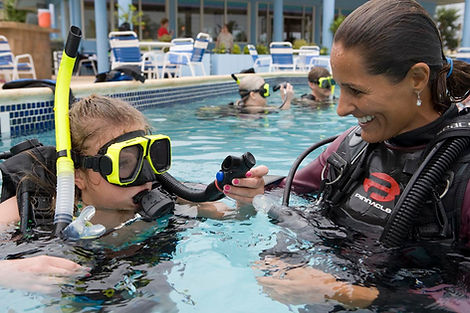
Medical forms and when kids need a doctor
All divers complete a standard medical questionnaire before training, and juniors are no exception. A yes to certain items, such as asthma, heart or lung conditions, recent surgery or particular medications, means we need written clearance from a physician before a padi open water junior certification course can start or continue.
This extra step keeps buceo en cancun safe and enjoyable for kids with health conditions or past injuries. We can send the form in advance, so families have plenty of time to speak with a dive aware doctor at home.
Medical forms and when kids need a doctor
Scuba is safe for most healthy children, but it is still an adventure sport. That is why every junior and parent completes a standard medical questionnaire before pool or ocean training.
The form asks about asthma, heart conditions, ear problems, medications and recent surgeries, and many families answer all clear and begin their padi open water junior certification right away.
If the form flags something, we may ask for written clearance from a physician familiar with diving medicine. This is not about shutting kids out. It is about making sure buceo en cancun will not aggravate an existing issue, and starting that conversation with your doctor at home is far easier than scrambling for an appointment mid holiday.
We encourage parents to answer honestly, even when they worry it might slow things down. Hiding a condition helps no one, least of all a child excited to join family dives now and perhaps dream about future expeditions or even wreck diving in the caribbean later. With accurate information, doctors and instructors can choose the safest path together.
If you are unsure how a diagnosis interacts with diving, contact us before you travel. We can point you toward reputable resources and help you prepare questions for your physician. Our goal is a safe, positive first course that becomes the starting point for years of happy diving, whether that means local reefs or travel diving packages.
What kinds of answers put a doctor in the loop before a dive?
The standard diver medical questionnaire asks about conditions such as asthma, heart problems, recent surgery and certain medications, and a yes to those items means a physician should review and clear the diver before training. Source: Divers Alert Network.
How do you help juniors who feel anxious on their first ocean entry?
We slow the pace, rehearse breathing, and use easy references for descents. Instructors stay close and keep the team compact. If needed, kids can surface, reset, and try again.

Helping nervous juniors feel at ease
Feeling anxious before the first giant stride is completely normal, especially for kids who have never breathed underwater. Our instructors use patient, kid friendly coaching with shallow practice, clear explanations and a little humor so juniors ease into buceo en cancun at their own pace.
We would rather spend extra time building confidence now than rush a child who hopes to enjoy padi open water junior certification dives for years to come. Parents are encouraged to share any worries in advance, letting us tailor the approach to each child's personality and learning style.
Helping nervous juniors feel at ease
Every junior begins in the pool, where the bottom is close, the setting is familiar and the surface is only a few kicks away. We break skills into tiny pieces, demonstrate them more than once and invite kids to pause, think and ask questions. There is no stopwatch and no pressure to be the bravest in the group.
When it is time for the ocean, we choose sheltered sites with easy entries so juniors can focus on breathing and buoyancy instead of waves.
Instructors stay close during that first descent, ready with a reassuring signal or a return to the surface, and we remind kids that even experienced adults felt nervous before their own first buceo en cancun dives.
Parents are invited into these conversations so everyone uses the same supportive language. Hearing that other children felt scared and still earned their padi open water junior certification takes a lot of pressure off.
For very shy juniors we may suggest a more private setup, similar to our one on one style experiences described under Discover Scuba and Beginner Programs.
Most nervous juniors end the course full of stories about turtles, statues and funny fish rather than fear. That positive first experience shapes how they picture their diving future, whether that means more family reef dives in Cancun, later teen adventures or one day joining well planned trips that include wreck diving in the caribbean.
What is the calmest way to turn first dive nerves into confidence?
PADI students first practice every core skill in confined water like a pool before entering the ocean, and this gradual, repeatable approach is one of the main reasons nervous young divers build comfort before their first open water dive. Source: PADI.
What marine life do juniors commonly see at beginner sites in Cancun?
Expect friendly fish schools, angelfish, grunts, and parrotfish over coral heads. Stingrays rest in sand and turtles sometimes cruise by. Clear water makes spotting easy and exciting.

What juniors see on beginner reefs
Beginner sites around Cancun are full of colorful reef fish, soft corals and the famous MUSA statues that look like an underwater art park. Juniors often spot angelfish, sergeant majors, grunts and sometimes turtles while practicing their padi open water junior certification skills.
These gentle first encounters with real marine life during buceo en cancun help kids fall in love with the ocean, not just the equipment. Every dive feels like a new episode of their own nature show, with them floating right in the middle of the action.
What juniors see on beginner reefs
We deliberately choose sites where there is always something to point out. Bright angelfish cruise past the statues at MUSA, damselfish guard tiny algae gardens and schools of grunts hang in shimmering walls over the reef. Even shy kids forget their worries when a curious wrasse swims up to their mask to say hello.
Seeing this life early helps juniors understand why divers care so much about buoyancy and awareness.
When we teach them to hover instead of kneel on the reef, it is in the context of protecting the coral their new fish friends depend on, which turns the padi open water junior certification into a first step toward becoming a thoughtful ocean visitor.
Some kids arrive picturing sharks and dramatic shipwrecks from movies and social media. We explain that deeper dives and wreck diving in the caribbean may come later, once they have more experience, but that the beginner reefs here already offer plenty of excitement.
For many young divers, a first turtle or moray eel becomes the story they tell everyone back home.
Families who book diving packages or combine the course with snorkeling often find juniors start naming species for their parents once they learn them. Those shared discoveries make this first round of buceo en cancun feel less like a class and more like the beginning of a lifelong family hobby.
Which reef neighbors are juniors most likely to meet first?
Caribbean reefs off Cancun are home to green and hawksbill turtles, parrotfish, angelfish and schooling grunts, and clear, warm water makes these animals easy for new junior divers to spot and identify. Source: NOAA Ocean Service.
How do juniors upgrade to full Open Water at age 15 and what changes then?
At 15, a Junior Open Water diver becomes an Open Water diver. The recommended depth limit becomes 60 ft with a certified buddy. You can request an updated card or use your digital record.

Upgrading from Junior to full Open Water
At 15 a Junior Open Water diver can upgrade their card to a standard PADI Open Water certification, usually with no need to repeat the course. As long as their padi open water junior certification and skills are current, it is mostly a paperwork update handled through PADI.
Once upgraded, teens can join deeper dives and more varied buceo en cancun or travel trips with fewer limitations. We are happy to help plan a fun check dive or refresher as part of the process.
Upgrading from Junior to full Open Water
One of the coolest milestones in a young diver's life is turning 15 and trading a junior card for full Open Water. In most cases this is a straightforward update through PADI, because the training and experience from their padi open water junior certification already covers the required skills and knowledge.
If it has been a while since their last dive, we usually recommend a refresher or a pair of easy local dives.
This keeps buoyancy sharp and helps teens feel relaxed rather than rusty in their new role, and those check dives can happen here in Cancun as part of ongoing buceo en cancun or with a trusted center closer to home.
Once the upgrade is processed, depth and supervision limits change to match standard Open Water divers.
That opens the door to new profiles, from slightly deeper reefs to special excursions and even the chance to join trips built around wreck diving in the caribbean when experience and conditions allow. Diving parents often find this is when the family can finally share the same adventures.
If your teen is eager to continue into specialties or advanced training, our team can walk you through timing and course choices, including our regular PADI Open Water Training pathway and beyond. With the junior foundations in place, the upgrade is less a new beginning and more an exciting next chapter.
What actually changes the day a junior diver turns 15?
When a PADI Junior Open Water diver reaches 15, their certification qualifies as a full Open Water Diver certification, and they can request a replacement card without repeating the entry level course. Source: PADI Blog.
Are private junior courses offered for one on one coaching?
Yes. A private instructor gives kids personal attention, longer pool time, and tailored routes. It is ideal for nervous beginners or families seeking a custom pace.

Private and small group junior courses
Yes. We can arrange private or very small group Junior Open Water courses for kids who need extra attention or flexible dates. These custom setups feel more like a tailored family buceo en cancun experience than a standard group class.
Private schedules suit shy kids, siblings learning together and families planning future wreck diving in the caribbean adventures down the road. Tell us your goals and travel dates, and we will help you choose the format that fits your junior diver best.
Private and small group junior courses
Some juniors love a busy group, while others do best in a quieter setting with fewer distractions. For kids who are shy, easily overwhelmed or simply used to one on one lessons, we offer private and very small group options. The content is the same padi open water junior certification material, but the delivery is far more personalized.
Private schedules are especially popular with traveling families fitting the course into limited vacation time. We can cluster pool and ocean days close together or spread them out between snorkeling, beach days and cenote visits, turning training into one part of a custom holiday plan rather than a fixed block that takes over the trip.
The format also works beautifully for siblings or close friends learning together. Pool sessions feel like a play date with skills sprinkled in, and boat days feel closer to a mini charter than a big class. Many parents tell us these custom courses become the highlight of their buceo en cancun experience.
If you are curious about private options, our team can explain how they compare with our regular groups and with the introductory programs listed under Discover Scuba and Beginner Programs.
Whatever you choose, the goal is the same, a safe and supportive path into diving that may one day lead to carefully planned wreck diving in the caribbean too.
How does a smaller class change the way kids learn to dive?
PADI sets maximum student to instructor ratios for training dives to keep supervision close, and choosing a private or very small group means a junior gets even more individual attention while learning. Source: PADI.
What should juniors pack for pool and ocean sessions on both days?
Pack a swimsuit, towel, reef safe sunscreen, a light cover up, and a refillable bottle. Add a small dry bag, hair ties, and a snack. Everything else is provided.

What junior divers should pack
The packing list for junior divers is refreshingly simple. A swimsuit, quick drying towel, reef safe sunscreen and a comfy change of clothes cover the basics for both pool and ocean sessions, plus a reusable water bottle, a small snack and any regular medication.
We provide all the scuba equipment needed for the padi open water junior certification, so families can travel light and save luggage space for souvenirs instead of heavy fins and BCDs. If you are unsure about anything, message us ahead of time and we will help you plan around your travel schedule and your buceo en cancun days.
What junior divers should pack
For pool sessions, juniors should arrive in a swimsuit with a t shirt or rashguard they can slip on between skill sets.
Flip flops are easier than sneakers around wet decks, and a soft towel from home feels comforting after those first underwater breaths. We supply tanks, weights, regulators and BCDs, so your list can focus on keeping kids warm, dry and happy.
Because training days run several hours outdoors, sun protection is the real MVP of the kit. A wide brimmed hat, reef safe sunscreen and a light cover up make surface intervals more pleasant, and families who build a vacation around buceo en cancun or explore multiple diving packages often pack a favorite long sleeve rashguard for every water day.
On ocean days it helps to add a simple snack like fruit or crackers and that trusty refillable water bottle, since hydrated divers think more clearly and feel better after the boat ride home.
If your child tends to get chilly, a thin hoodie or poncho towel is perfect to pull on after their first open water padi open water junior certification dives.
There is no need to buy a full equipment set before the course. Use this time to let your junior try different mask shapes or fin styles and learn what they like.
Later, when they are older and dreaming about liveaboards or even wreck diving in the caribbean, you will know exactly what fits and what is worth investing in.
Why is sun and warmth planning such a big part of a kid's kit?
Children cool down faster in water than adults because they lose heat more quickly for their body size, which is why exposure protection, a warm cover up and sun care sit near the top of any junior diver's packing list. Source: Divers Alert Network.
How are logbooks and certification cards handled for junior graduates?
Your instructor submits the certification and you receive a confirmation email with digital access. Dives can be logged in the PADI app or in a paper logbook. Stamps and signatures are available at the dock.

Logbooks and junior certification cards
When juniors finish their course we treat certification like a real milestone, not just a signature at the counter. Instructors help kids fill in logbooks, talk through favorite marine life and explain how their new padi open water junior certification works anywhere they travel.
We submit everything electronically, so your family is ready for more buceo en cancun or the next holiday dive trip as soon as requirements are complete. Parents are welcome to snap photos and sign logbook pages, so the whole process feels like a celebration rather than homework.
Logbooks and junior certification cards
At the end of the last training dives we sit down with juniors and their logbooks while the memories are fresh. We help them record depth, time, location and key skills for each dive, explaining how this becomes a diary of their underwater journey, and kids love adding notes about turtles, MUSA statues or silly fish behavior.
We encourage families to treat the logbook as a keepsake rather than a formality. It follows your junior from their first course in Cancun to trips years from now, and instructors everywhere use it to gauge experience.
When your child later talks about night dives or wreck diving in the caribbean, those early reef pages become part of what gets them ready.
Once skills are complete and paperwork is checked, we submit certification details through PADI's system. Most juniors receive digital proof quickly, and physical cards can be ordered if you want something for a wallet or the fridge.
The same diver number stays with them for life, so their padi open water junior certification turns into standard Open Water at 15 without starting over.
We also show families how this profile connects to future online study or additional courses through programs like our regular PADI Open Water Training. Keeping everything organized from the start makes it easy to keep diving, whether that means more local buceo en cancun or bigger adventures in the years ahead.
What sticks with a young diver long after the course ends?
PADI issues a lifetime certification with a permanent diver number and offers digital eCards, so a junior graduate's record and proof of training stay accessible for life and carry over when the card becomes full Open Water. Source: PADI.