


Best Time To Dive Cancun

Updated: Sep 13

Best time to dive in Cancun
Divers love to argue about the “best month” to visit a place. For Cancun, that conversation is more interesting than a simple “rainy versus dry” split.
Local winds, winter fronts, summer calms, and big animal seasons all shape how your trip feels. Knowing these patterns helps you choose dates that align with your goals rather than chasing someone else’s favorite month, making you feel more confident in your planning.
This guide walks through:
Weather patterns that matter to divers and snorkelers
How port closures work and why they are important
What people really mean by Isla Mujeres whale shark season and whale sharks Isla Mujeres season
This guide shows how to use forecast tools such as underground weather Cancun, but consulting local operators for current conditions will help you feel more assured and prepared for your trip.
It pairs nicely with our main planning page Weather and Season.
What Matters More Than “Rainy Season” For Divers
Tourism sites usually divide the year into “dry” and “rainy.” For divers and snorkelers, the

more useful questions are:
How strong is the wind and from which direction
How big are the waves and how often does the port close
What is the typical visibility on reefs and in cenotes during different seasons? Understanding these variations helps you plan dives with realistic expectations and safety in mind.
How warm is the water and which wetsuit is comfortable
Short tropical showers have very little effect underwater. Wind and swell are what change site choices, make boat rides rough, and trigger port closures.
Climate records for Cancun show warm air and sea temperatures all year, with sea temperatures in the high twenties Celsius in summer and only a few degrees cooler in winter. The sea stays warm enough for scuba diving in Cancun courses and fun dives in every month of the year.
Local crews watch wind forecasts and marine bulletins far more closely than general “chance of rain” icons. Marine tools like Windy and Windfinder give a clearer picture of wind speed, direction, and wave height than generic apps that show a single umbrella symbol.
Broad Seasonal Patterns For Cancun
Instead of thinking about a strict “good” or “bad” season, it helps to see the year in terms of a few patterns for water sports.

Cancun has a warm tropical climate with a slightly cooler, drier period from roughly November to April and a hotter, more humid period from about May to October.
Late Autumn And Winter Fronts
Cooler months bring periodic north fronts, locally called nortes. These fronts roll through with stronger winds and choppy seas. Air temperatures can drop for a day or two, but the water usually stays comfortably warm for diving.

Pros
Often excellent visibility between fronts
Fewer crowds at some sites
Cooler topside temperatures that feel pleasant on the dock and boat
Cons
Higher chance of port closures during strong nortes
Choppier surface on some days and more wind chill on longer rides
This season can be great if you are flexible and happy to adapt to site changes, cenote options, or different days on the boat. Many guests enjoy winter reef diving in Cancun on Scuba Cancun - Certified Diving, followed by cenote cavern day trips through Cenote Cavern Scuba Diving when the port closes.
Spring Stability
As winter fronts weaken, you get longer stretches of stable conditions. Air temperatures warm up, the sea gets more comfortable, and wind often settles into gentler trade wind patterns.

For many divers, this is an ideal balance:
More consistent departures with fewer weather cancellations
Very comfortable water for scuba diving in Cancun courses and fun dives on Discover Scuba and Beginner Programs and Manta Divers Open Water
A good mix of reef diving and cenote days in a single itinerary
If someone asks about the best time to dive in Cancun for training and relaxed reef diving, spring is often at the top of our list.
Summer Warmth And Big Animal Season
Summer brings warmer water, higher humidity, and the famous Isla Mujeres whale shark season. Calm spells can be beautiful, with glassy mornings and warm blue water, but this is also when official Atlantic hurricane season runs.
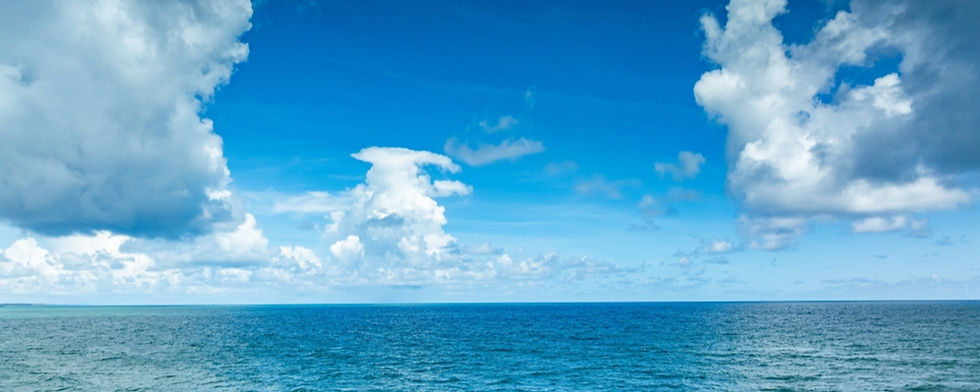
This is the time when people start searching for whale sharks in Isla Mujeres season and whale shark season in Isla Mujeres because they want reef dives, cenotes, and at least one big animal day in a single trip.

Most regional sources describe the main activity for whale sharks in Mexico off Cancun, Isla Mujeres, and Holbox as roughly mid May through mid September, with many operators highlighting July and August as peak encounter months when the water is warmest and plankton rich.
A responsible operator will:
Run whale shark tours Isla Mujeres and Whale Shark Snorkeling only when sightings and conditions justify it.
Talk honestly about recent activity rather than treating every date as a guarantee.
Suggest swapping offshore time for reef diving in Cancun or a cenote cavern tour for certified divers if offshore conditions are unsafe or wildlife is scarce.
Port Closures And What They Mean For Your Plans
When the harbor master closes the port, nobody goes out. It is not a negotiation or a sales tactic. It is one of the most important safety systems in local boating culture.
Nortes and strong trade winds can create short, steep waves that are unsafe for smaller craft and uncomfortable even for larger boats.
A few practical points:
Closures are based on wind and sea state, not on whether a cloud icon shows rain.
Sometimes only smaller boats are restricted, while larger vessels can still move on specific protected routes.
Decisions are usually made early in the morning and can change during the day as conditions improve or deteriorate
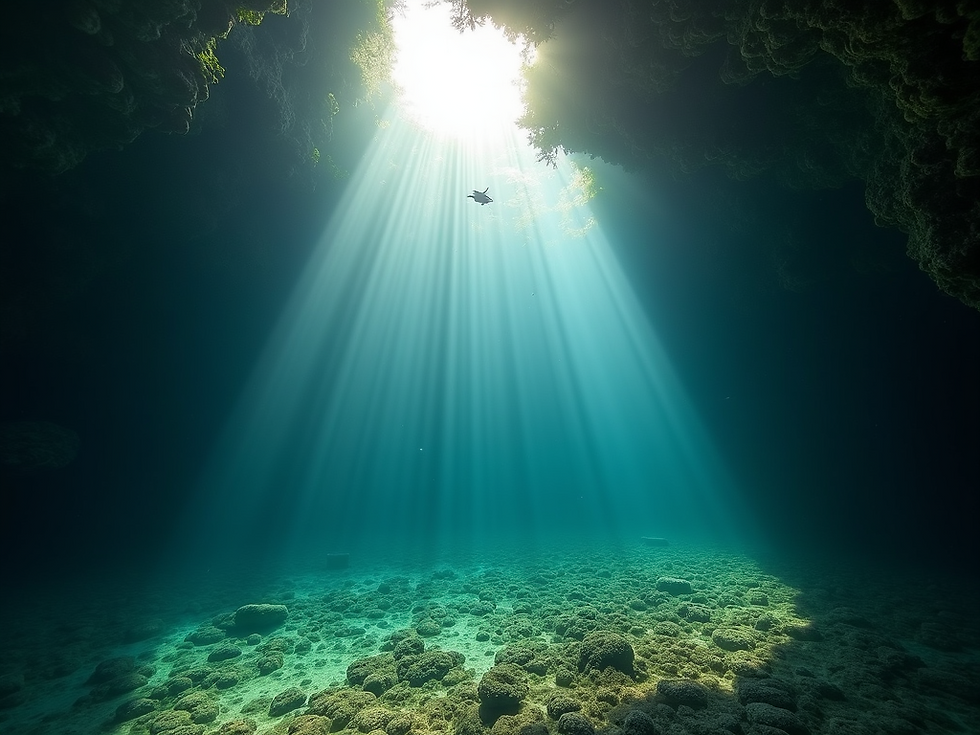
Many dive centers in Cancun offer Cenote days and sheltered options as a backup for multi-day guests. Planning to swap days around when the port closes can help you feel more in control and relaxed, knowing you can adapt to changes in the weather.
At Manta Divers, we often suggest planning reef diving first with Scuba Cancun - Certified Diving, then cenotes and whale shark tours from Cancun later in the week to maximize flexibility.
Hurricanes, Storms, And Long Term Effects
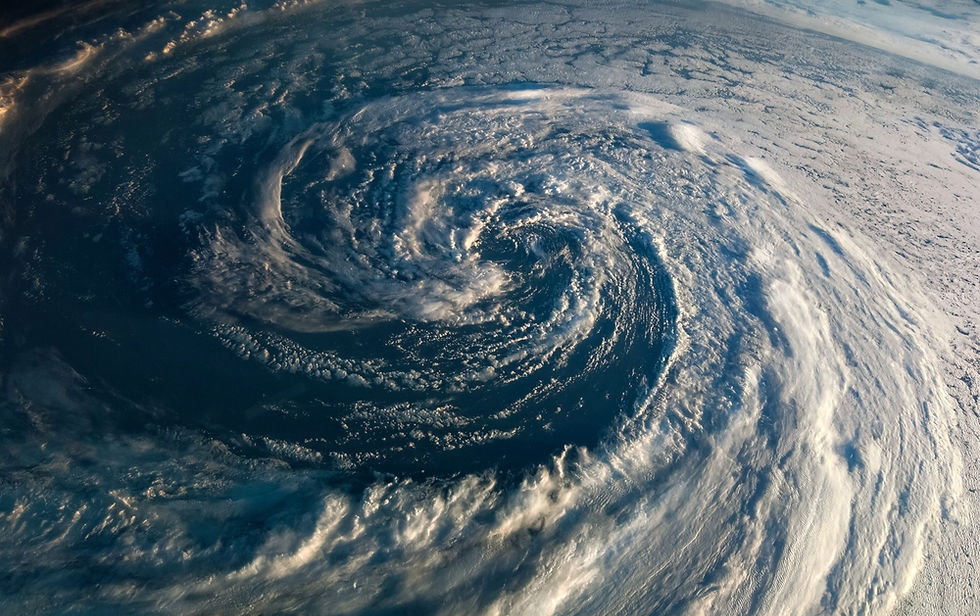
Big storms are part of life in the western Caribbean. Most tropical systems never become major events for Cancun, but people planning trips months in advance naturally worry, especially when they see headlines and search terms like "hurricane damage Isla Mujeres".
Official Atlantic hurricane season runs from June through November, with the highest probability of tropical storms and hurricanes affecting this region between roughly August and October.
A few realities help keep this in perspective:
Not every tropical system is a direct hit, and many stay far offshore.
Local communities are used to preparing, pausing, and reopening.
Reefs sometimes take a pounding, but also recover over seasons.
If a serious storm has passed recently, the best information will come from local operators, not old news clips. They can tell you:
Which docks are open
Which sites are in good shape
Whether any usual routes have changed temporarily
The smart approach is not to ignore storm risk or panic about it, but to:
Stay in contact with people who are actually looking at the water each day.
Use travel insurance during peak hurricane months.
Using Forecasts Without Scaring Yourself
Modern forecasting tools spit out huge amounts of data. It is very easy to check several websites and convince yourself the sky is falling.
Divers headed here often mix general weather apps with more detailed tools like Underground Weather Cancun and dedicated marine pages, such as Windfinder forecasts for the Cancun area.
A few tips that keep things sane:
Focus on wind speed, direction, and wave height more than little icons of clouds or sun.
Look at trends over several days instead of obsessing over a single time slot.
Remember that showers can pass quickly, while wind and swell usually change more slowly.
Local crews treat forecast models as guidance, not prophecy. Good dive centers combine the data with their own experience of how certain wind directions actually feel on the reef, in the channel, and at the dock.
Tools like Windfinder’s Cancun Main Beach forecast and other marine charts are most useful when read by people who spend their lives on boats, not when doom scrolling at midnight in a hotel room.
How Whale Shark Season Fits Into The Year
Whale shark trips are sensitive to both weather and biology. When you plan, try to think of them as one component inside a wider schedule, not the only pillar of your holiday.
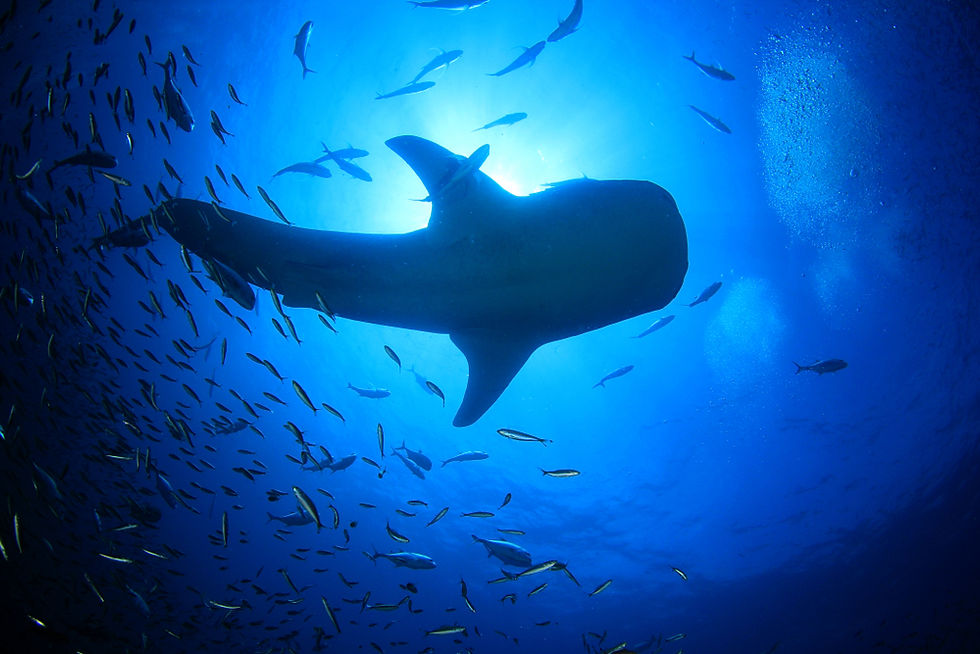
Smart planning might look like:
Choosing a window that lines up with historical whale shark Isla Mujeres season and local advice
Scheduling a whale shark tour in Isla Mujeres or Whale Shark Snorkeling day with room to move it forward or back if needed
Building reef dives and cenotes around that window rather than stacking every specialty back to back.
This way, if offshore conditions do not cooperate or activity slows for a few days, you still have a strong trip built on reefs, statues, and caverns, with nothing resting on a single outing.
Think of whale shark tours from Cancun as a highlight you protect with flexibility, not a promise that nature must keep.
Matching Your Goals To The Right Season
Different visitors want different things. Once you know the broad patterns, you can use the seasons to your advantage.
First Time Courses And Try Dives
Look for stable periods with warm water and lighter winds so beginner days go smoothly. Spring and many summer weeks work well for this, as long as you are ready to shuffle between reef and pool days if a front or tropical system appears.
This is a great time for PADI courses like Manta Divers Open Water and to try scuba diving in Cancun with Discover Scuba and Beginner Programs, especially when combined with calm snorkeling days through Snorkel Cancun.
Experienced Reef Divers And Wreck Fans

If you are comfortable in varied seas, you can be more flexible on dates. Consistent multi-day reef packages can work almost any time of year, as long as you build in buffers and backup plans.
Many experienced guests enjoy multi-day reef and wreck packages using Scuba Cancun - Certified Diving with optional trips on Scuba Cancun - Certified Diving with optional trips on Scuba Cozumel from Cancun, or Cenote Cavern Scuba Diving that weave around whale shark tours or cenote days.
If whale sharks in Mexico are the main reason for your trip, you are more closely tied to the main activity window and offshore forecasts.

You will want to:
Choose dates that overlap with the core Isla Mujeres whale shark season.
Expect to watch conditions closely and accept honest calls from your operator.
Consider booking two possible whale shark days within a week and letting your chosen whale shark tour operator pick the better one.
That approach often works better than pinning everything on a single fixed date.
Mixed Groups With Non-Divers And Kids
Families and mixed groups often lean toward calmer periods and focus on snorkeling, shallow reefs, and boat comfort rather than trying to squeeze every specialty into one week.
This can mean more Cancun snorkeling excursions through Snorkel Cancun and Family and Kids, with optional upgrades for the divers rather than a schedule built around deep wrecks and offshore animal runs.
How To Talk With A Dive Center About Timing
So when is the best time to dive in Cancun? Once you have rough dates in mind, the most useful thing you can do is have an honest conversation with a local shop instead of just asking, “Is this a good month?”
Questions that get better answers include:

What the seas and visibility are typically like for that week
How often have port closures occurred in that window in recent years
How the shop handles switching between reefs, cenotes, and whale shark tours in Cancun when conditions change
A team that is happy to walk through these points calmly is far more likely to make good calls for you once you are already here. Look for dive centers in Cancun that talk about weather, safety, and backup plans as clearly as they talk about fish, statues, and shipwrecks.
Next Steps
If you are starting to sketch out a trip, treat weather and seasons as tools, not threats.
Decide what matters most to you:
Calm seas for training
Higher chances of whale sharks in Mexico
A mix of reefs, statues, and caverns
Then pick a window that fits those priorities and leave a little room for the ocean to have an opinion.
For current trip ideas, seasonal advice, and availability around your dates, message us on WhatsApp at +52 998 238 2116 or see the booking page for Cancun. Once we know whether your priority is scuba diving in Cancun, cenotes, whale sharks in the season in Isla Mujeres, or a bit of everything, we can help you tune your dates to get the best possible week.
Further Reading And Forecast Tools
If you want to go deeper on climate and forecasts, these external resources are useful:
Monthly temperatures and rainfall: Climates To Travel Cancun climate guide
Marine wind and wave forecasts: Windfinder Cancun Main Beach
Current and long range local weather: Weather Underground Cancun
Ready to put dates on the calendar? These pages cover everything this guide mentions:
Month by month conditions: Weather and Season planning hub
Certified divers: 2 Tank Classic Reef Dive and the certified diving guide
Windy day backup: cenote cavern diving from Cancun
Summer visitors: Whale Shark snorkel tour, June to August
A day on the walls: Cozumel diving from Cancun
Non-divers along? Snorkel Classic MUSA afternoon and our family and kids guide
Never dived before: try scuba diving or start your PADI Open Water training
Visiting in late October or early November? You can pair your diving with one of Mexico's most moving traditions. Here is what Day of the Dead in Cancun is really like, and where to join in.
We can't wait to welcome you.
The Manta Team

M A N T A
D I V E & S N O R K E L C A N C U N
Toll-Free 1-800-659-0712
Local Phone/WhatsApp +52-998-238-2116
Email info@mantadivers.com
Marina Del Rey, Blvd. Kukulcan Km 15+656
Hotel Zone, Cancun, Q.R. 77500
Facebook · Instagram · WhatsApp · TripAdvisor



Comments